Family Walls · Est. Netherlands
The floors people dream about.
The walls magazines are made of.
Hand-applied microcement and decorative finishes.
Scroll
Hand-applied microcement and decorative finishes.
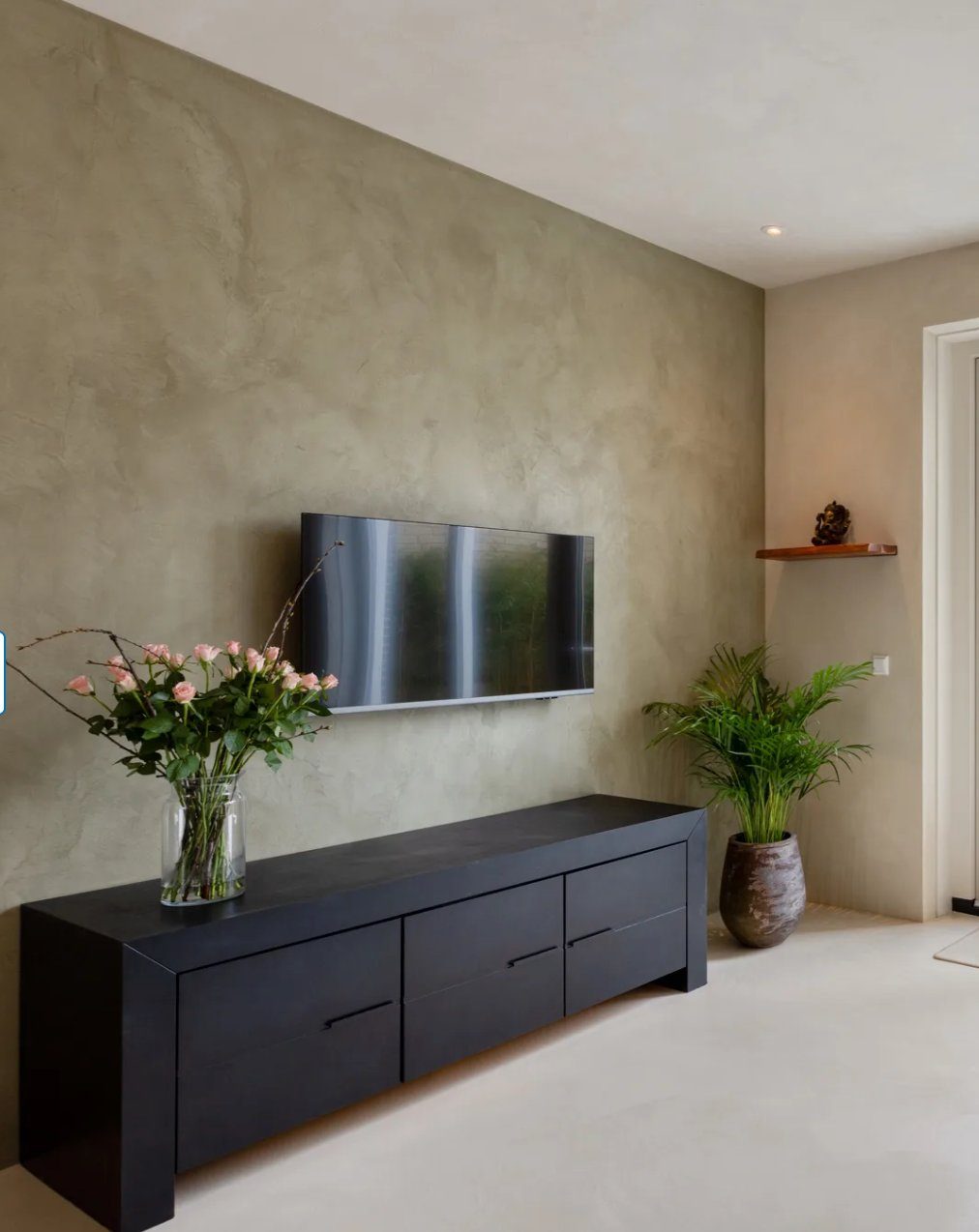
Most surfaces are forgotten the moment you stop looking at them. The ones that stay with you — the ones guests ask about, the ones that end up in shoots — are applied by hand, room by room, surface by surface.
Each surface is made by hand, with care — floor, wall, ceiling and wet area as one unbroken whole. No grout lines. No tile breaks. A natural flow that moves through your home the way light does: seamlessly, from room to room. Every square meter is unique, alive with subtle depth and character. Durable, luxurious, and made to be enjoyed by the whole family for decades to come.
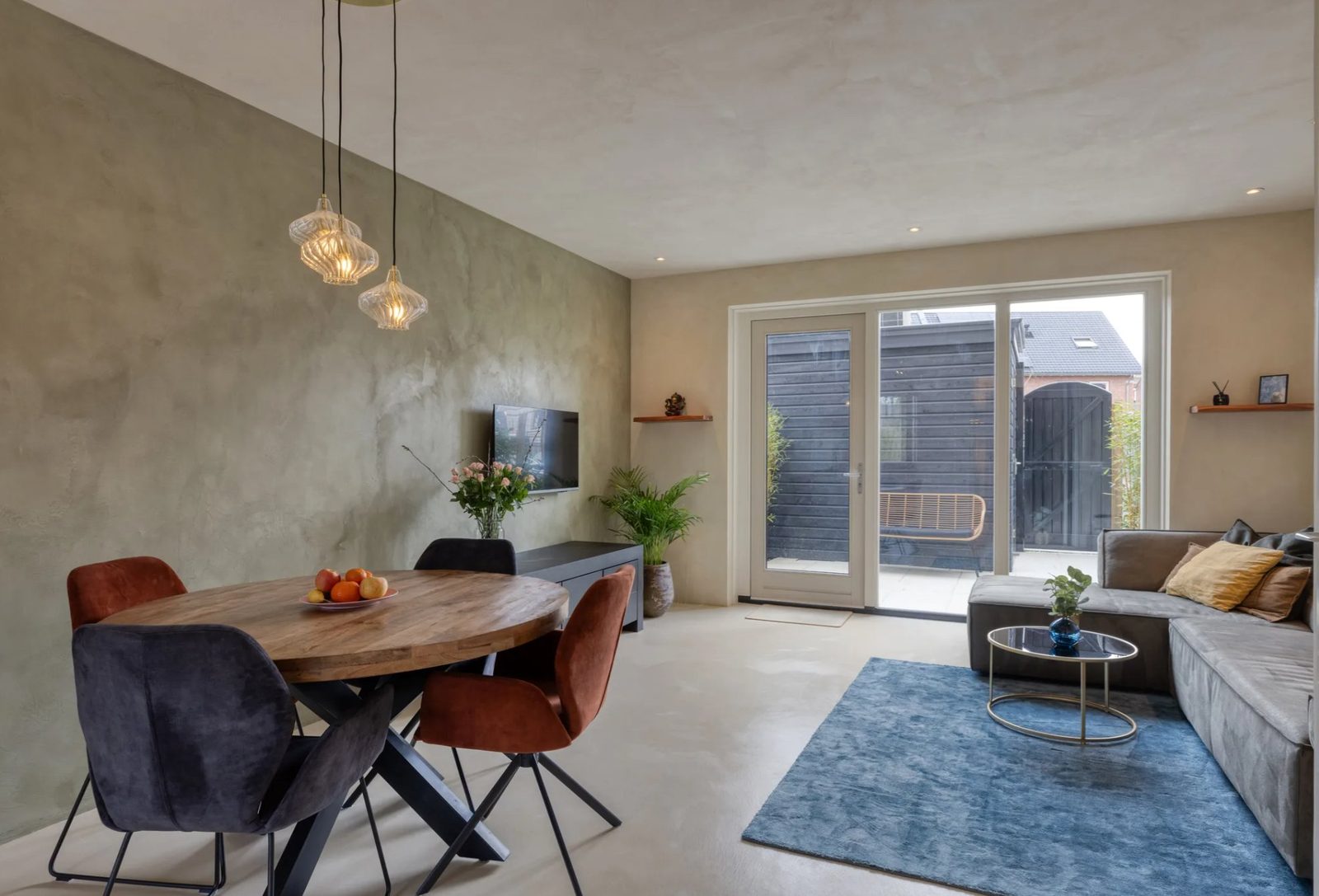
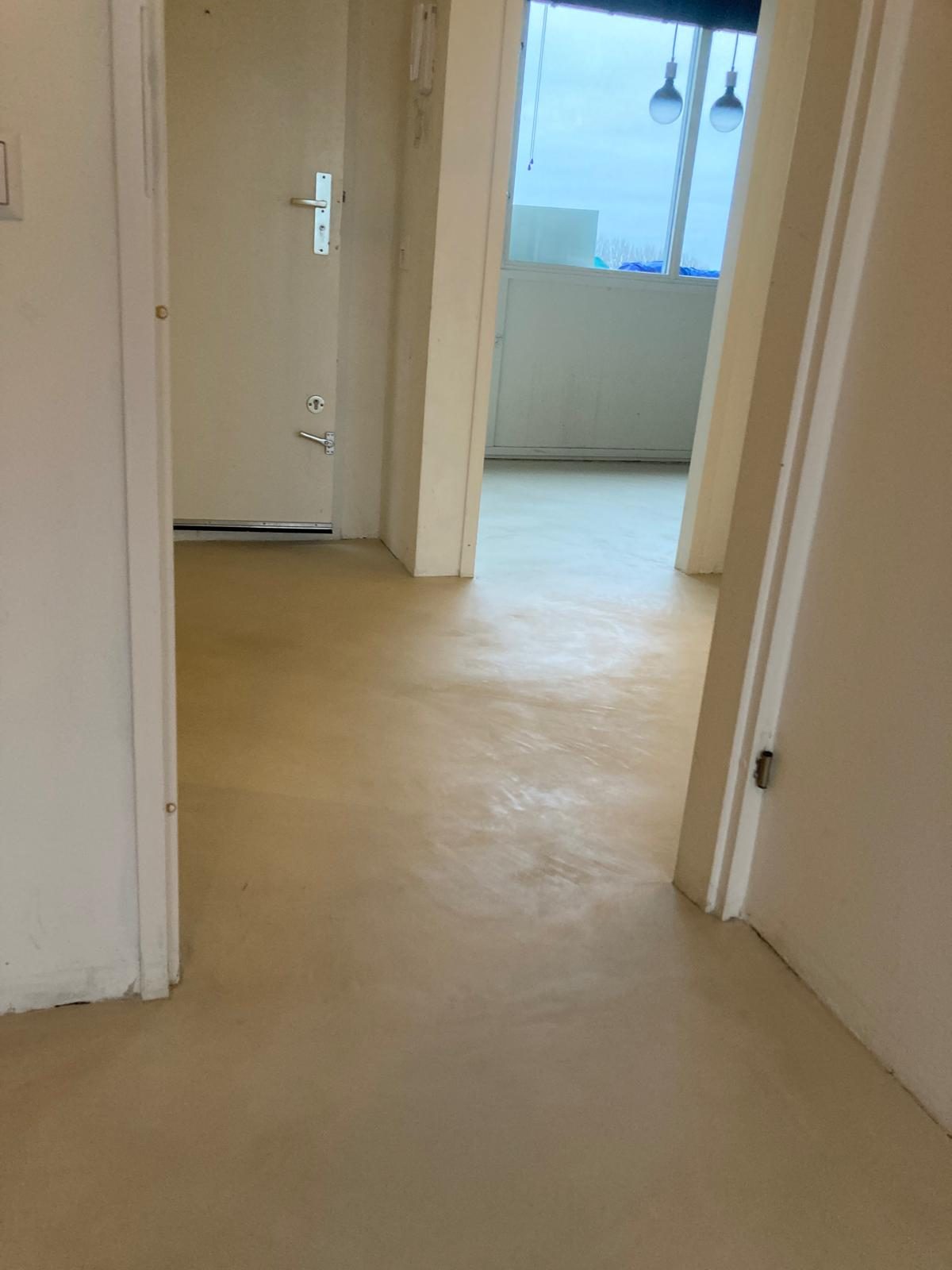
Every floor, wall and ceiling in this Dutch family home in Weesp, near Amsterdam was applied in microcement. Five years of daily life with a young family — and the surfaces still photograph like the day they were finished. The home recently sold above asking price.
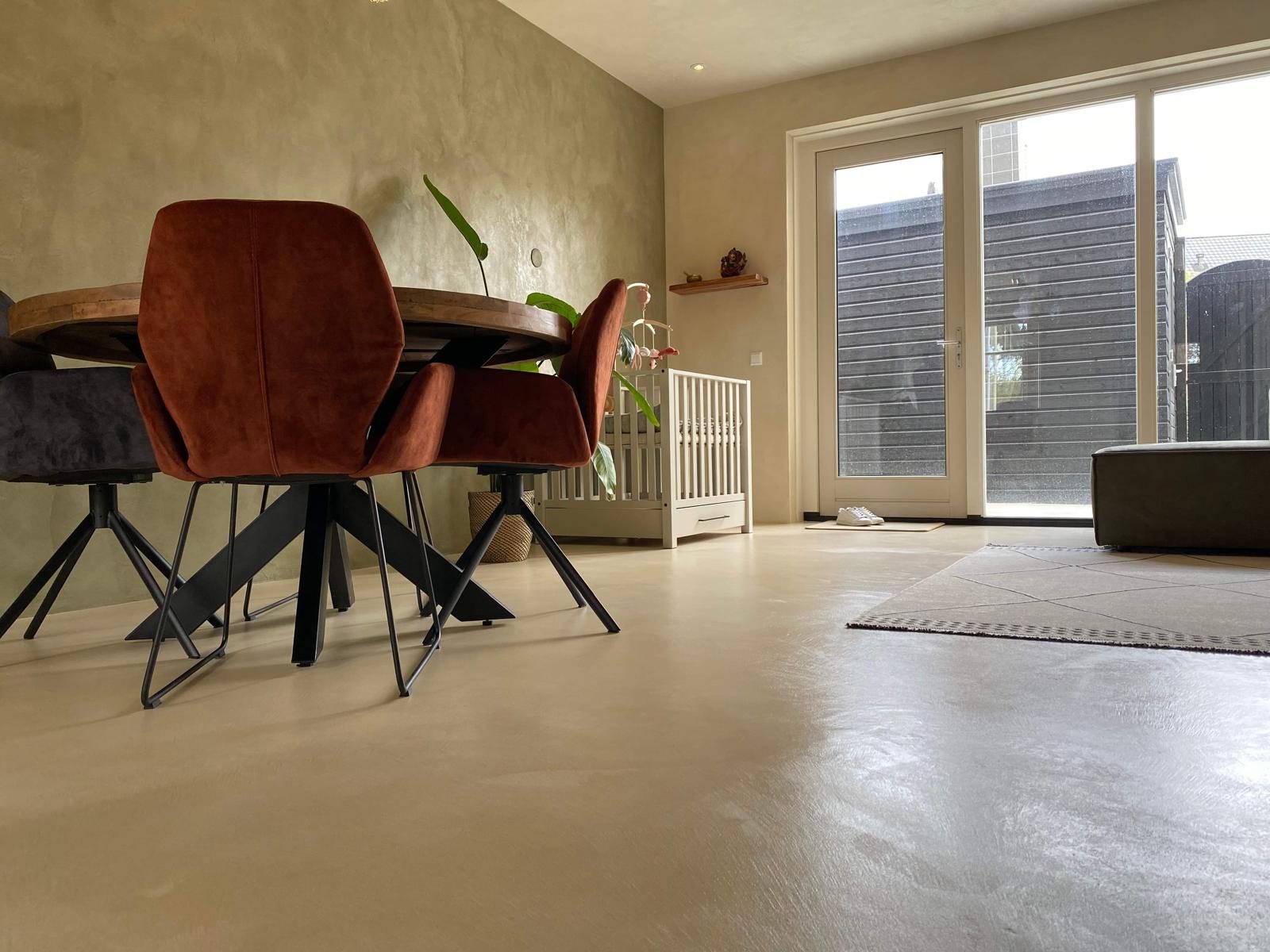
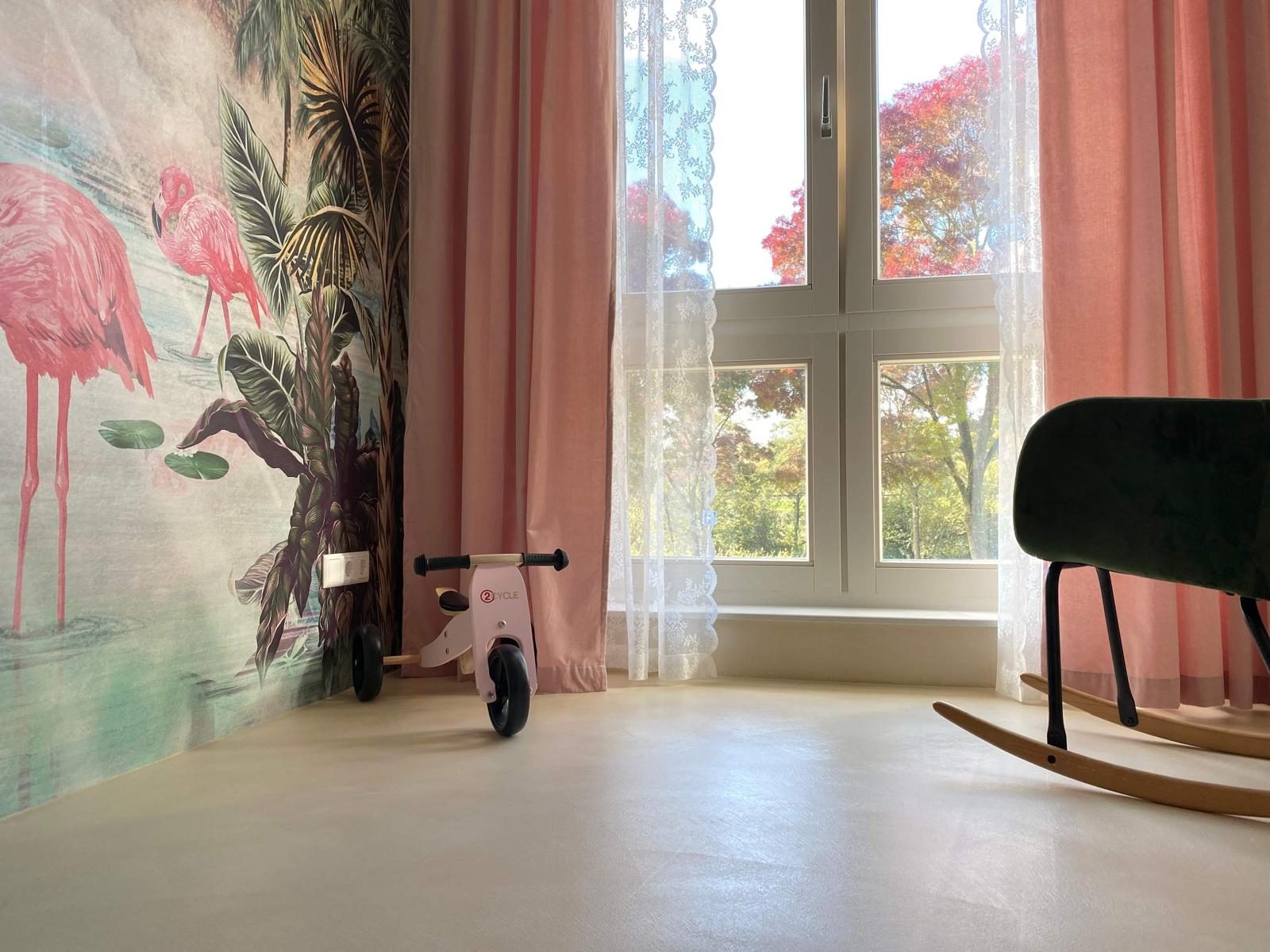
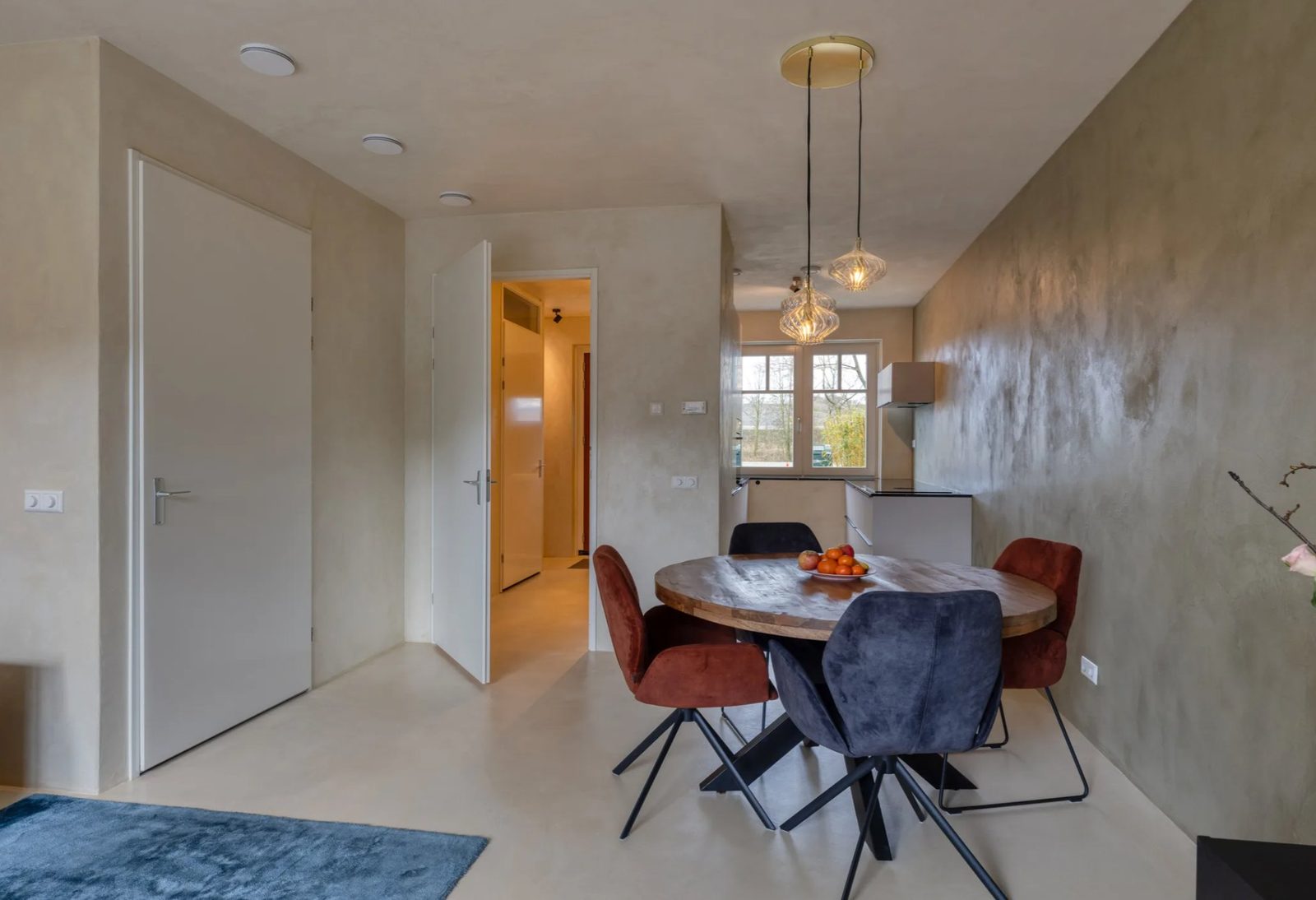
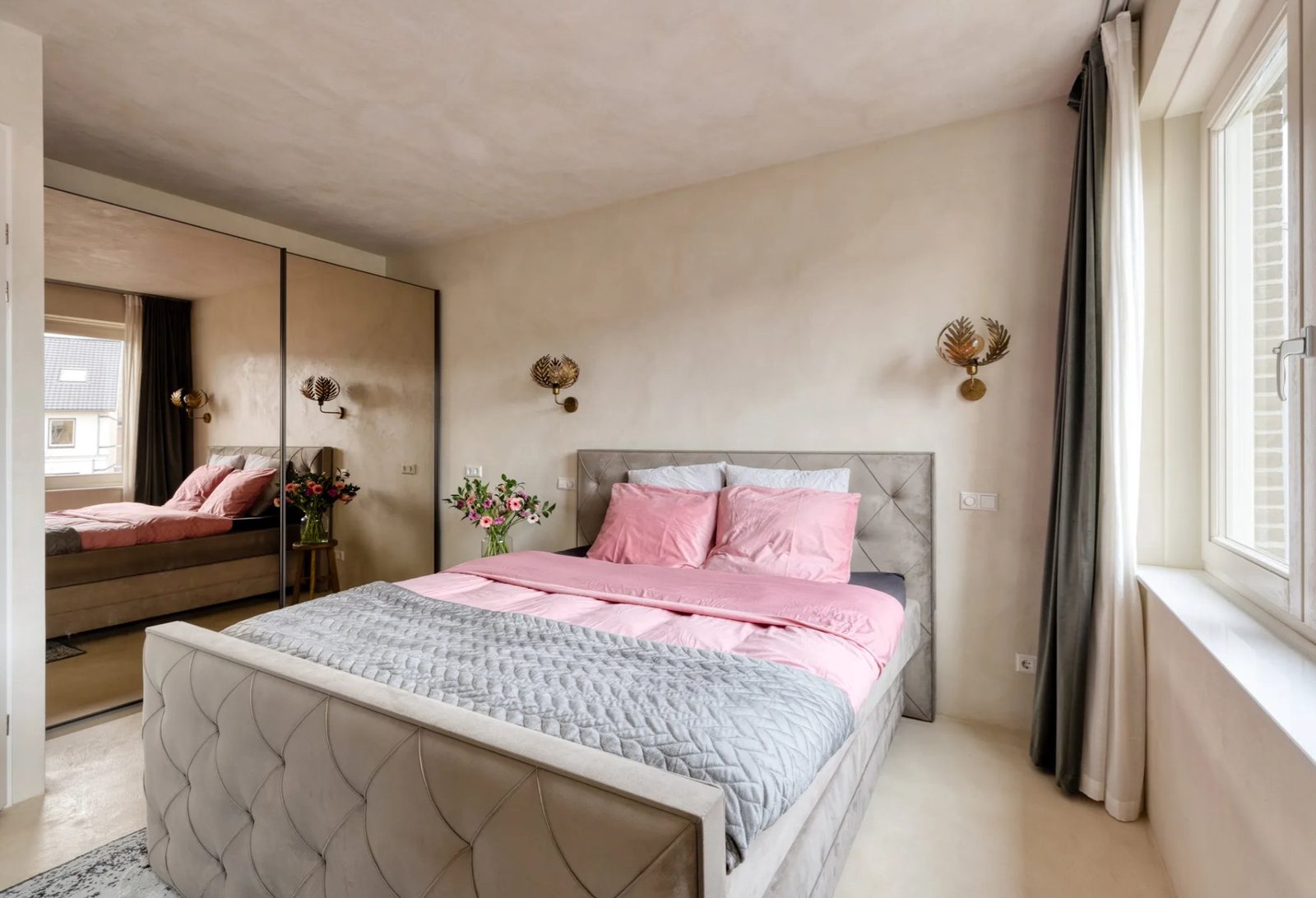
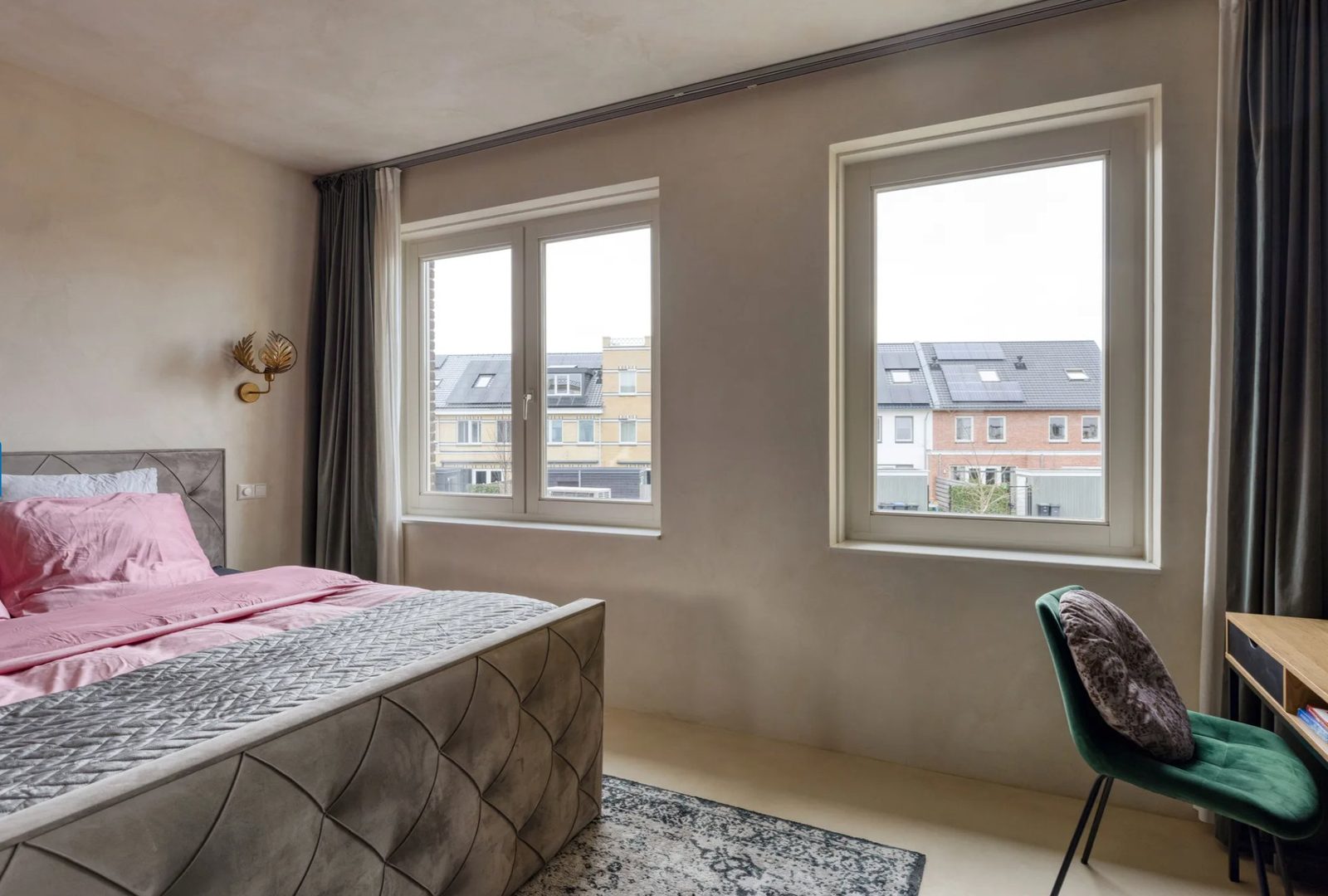
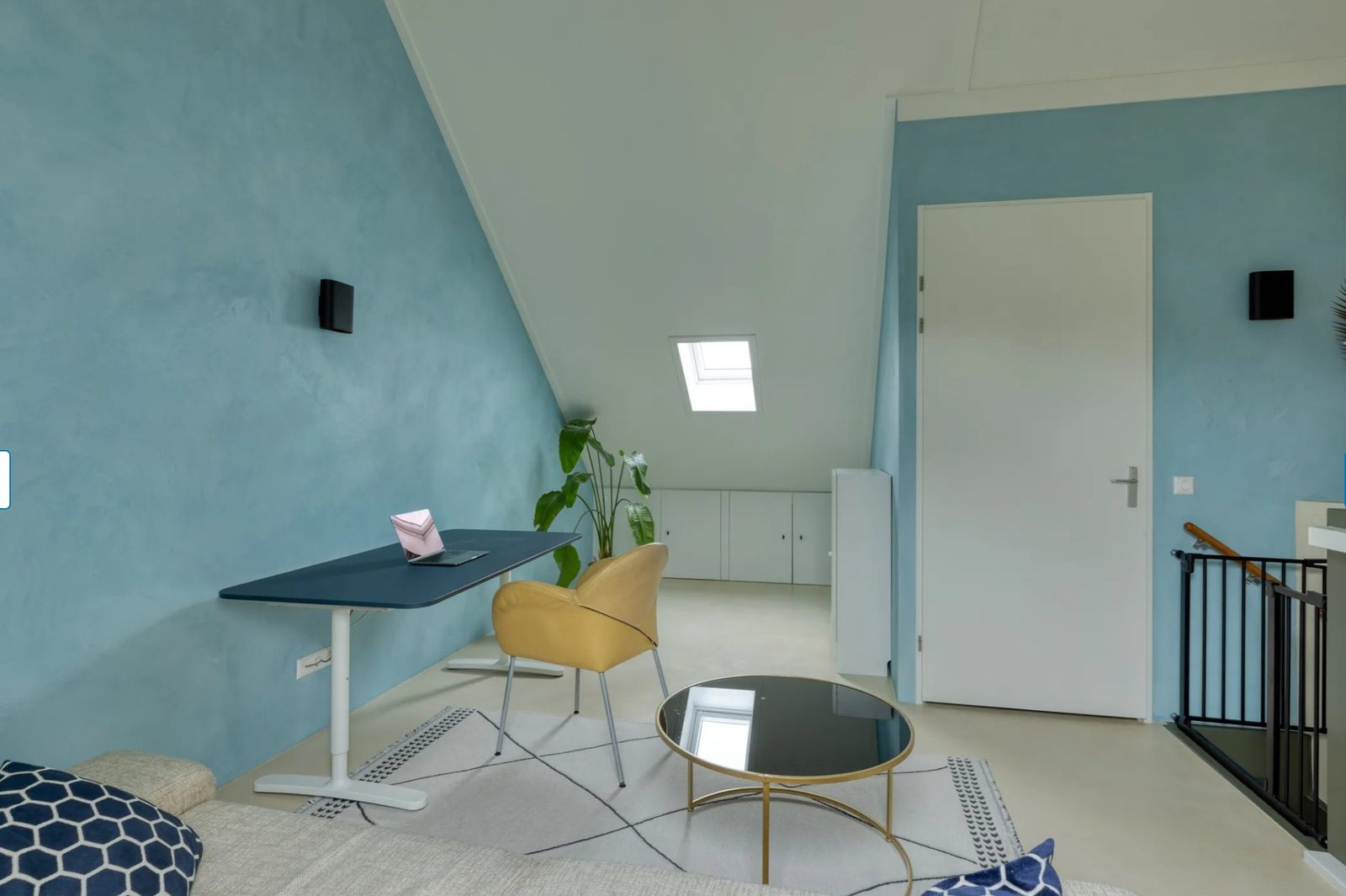
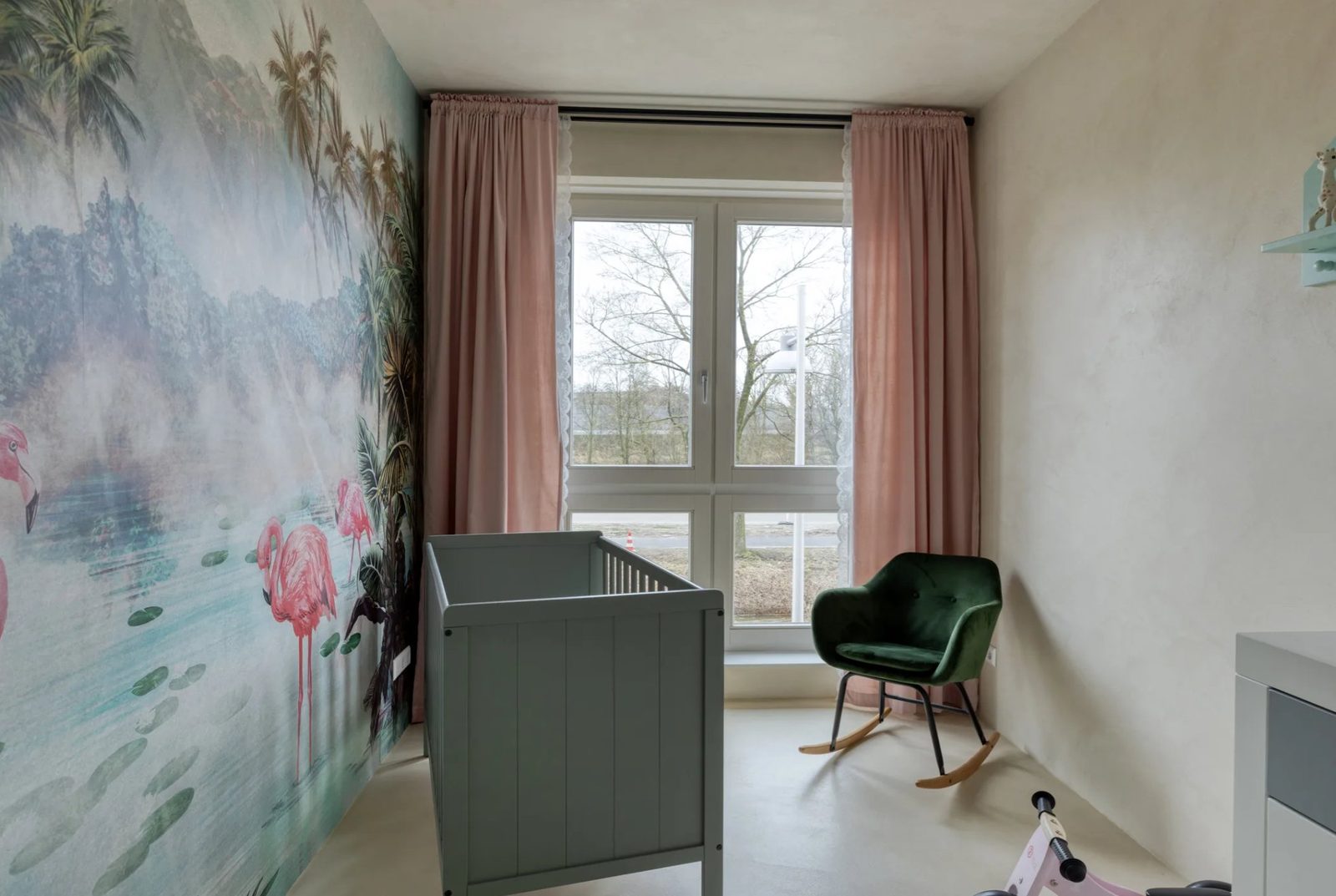
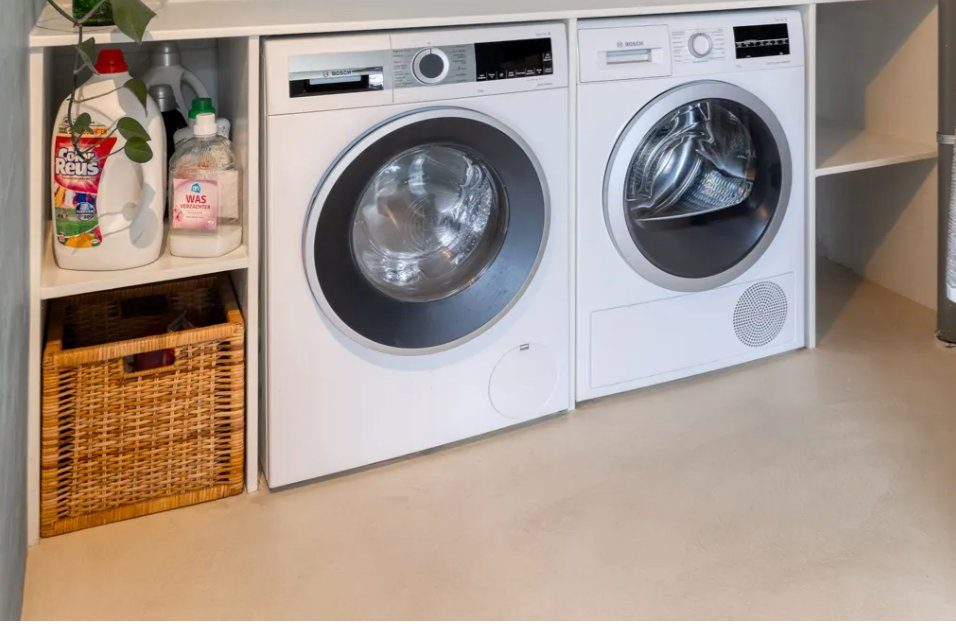
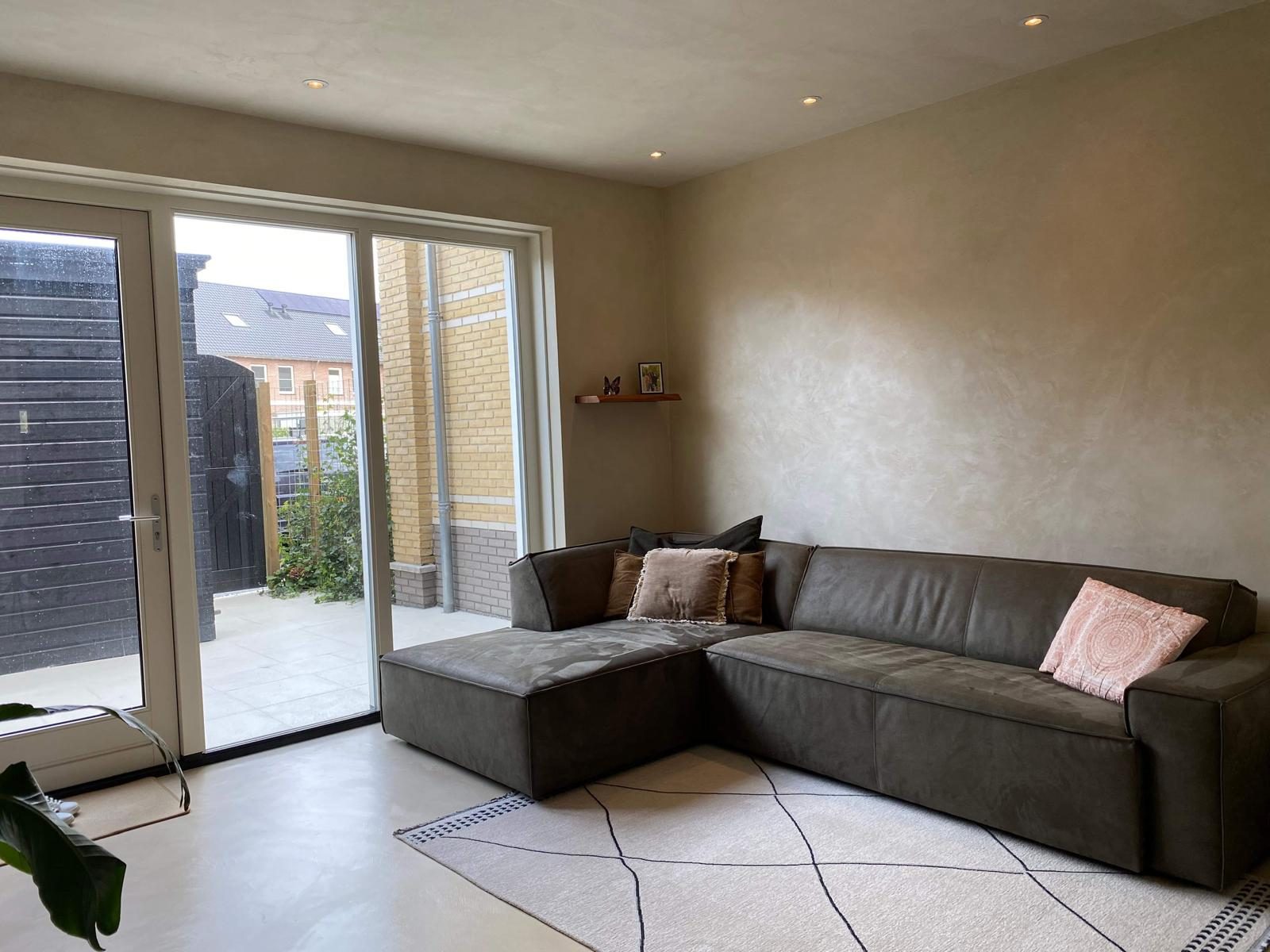
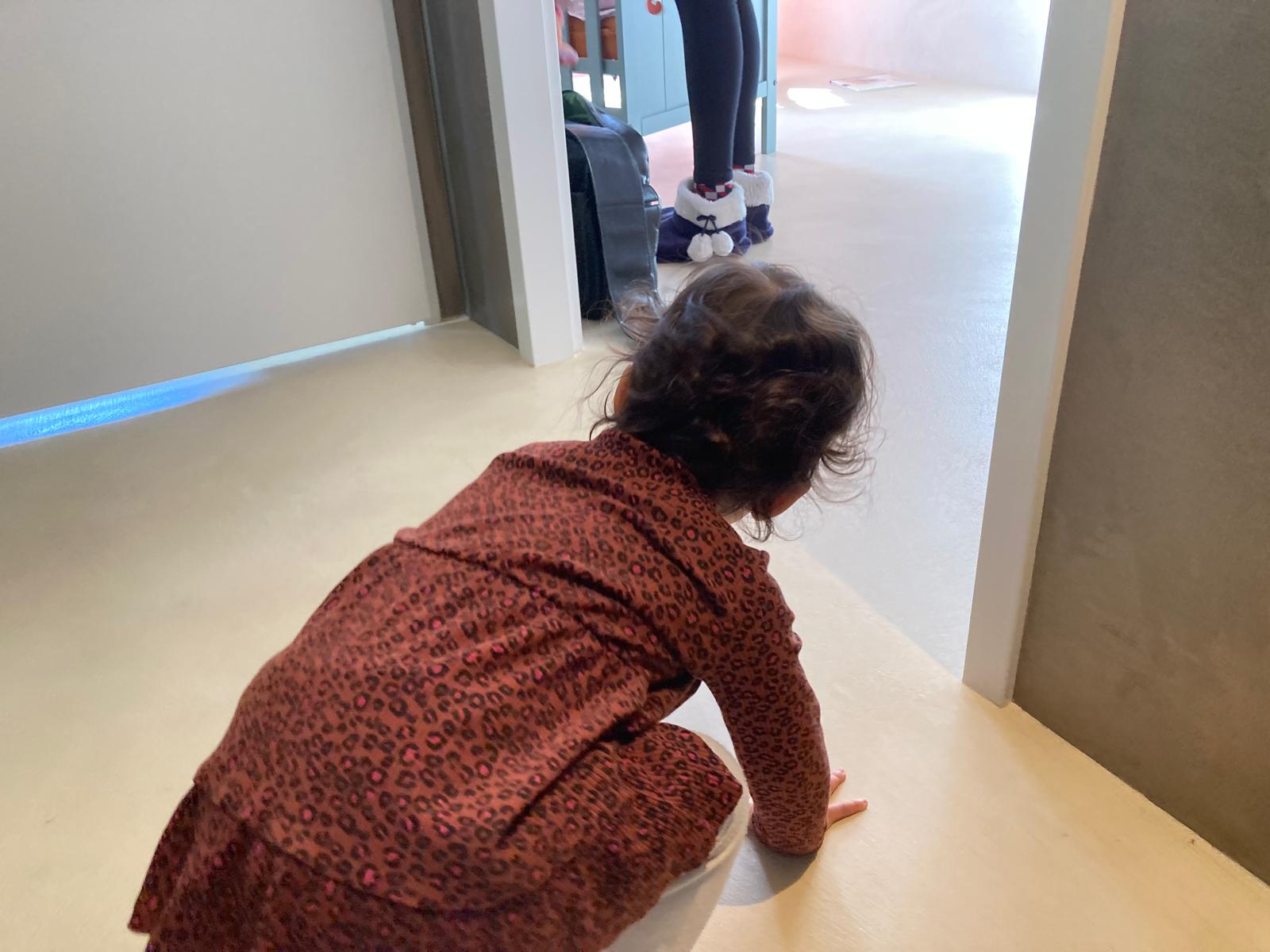

The surfaces still photograph like the day they were finished — five years and a young family later.
Family Walls — Weesp projectNot a showroom. Not a gallery. A home — where you drop your shoulders, where the kids run freely, where friends linger after dinner. Our floors, walls and ceilings are made to sit quietly in the background: warm, natural, alive. They give a room its soul without asking for attention. The surfaces do their job best when you stop noticing them and simply feel at ease.
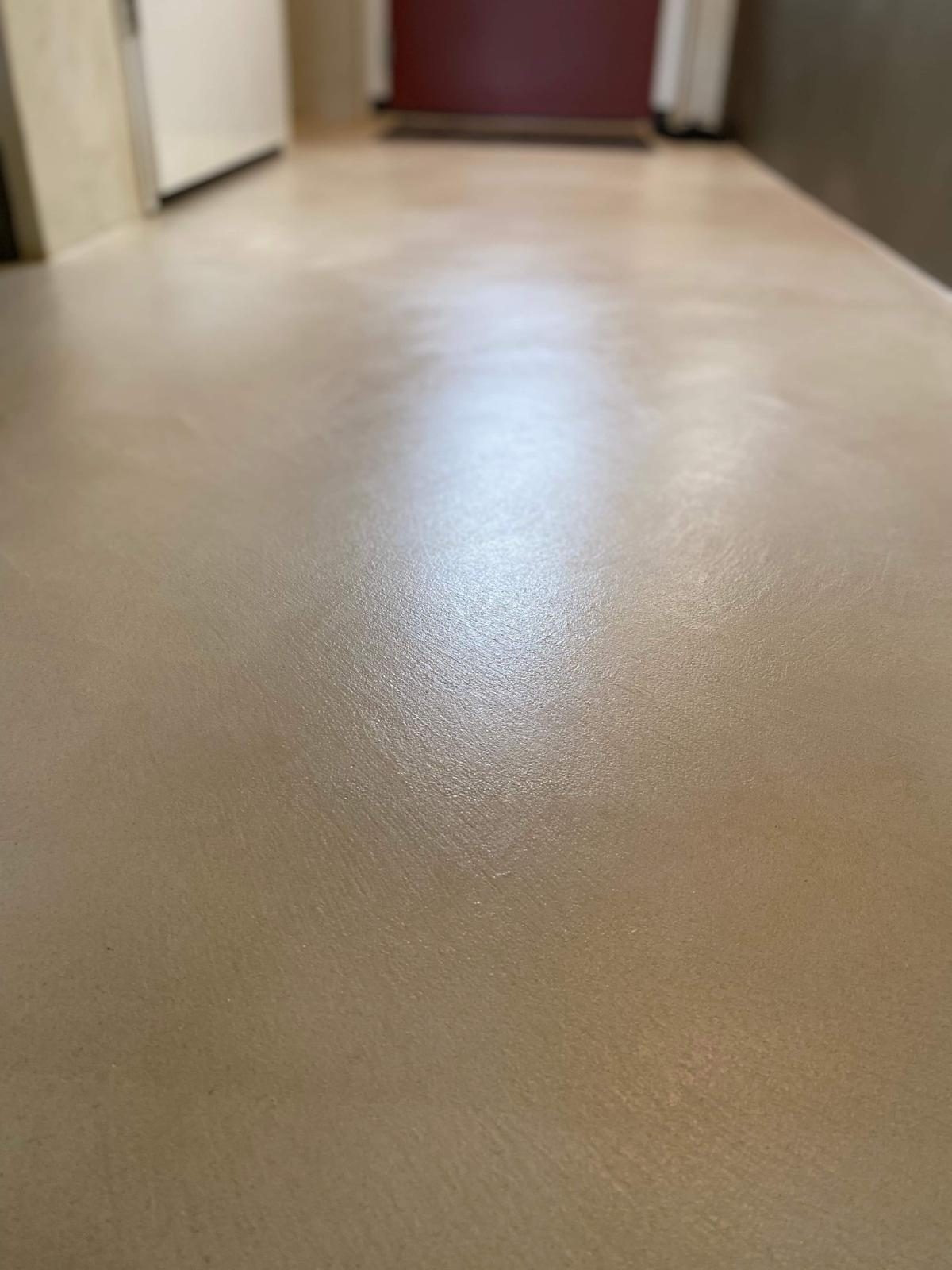
Seamless microcement flooring over existing screed or tile. Warm underfoot, compatible with floor heating, durable enough for daily family life.
Microcement and tadelakt-style finishes from kitchen feature walls to entire living rooms. Tinted to your palette.
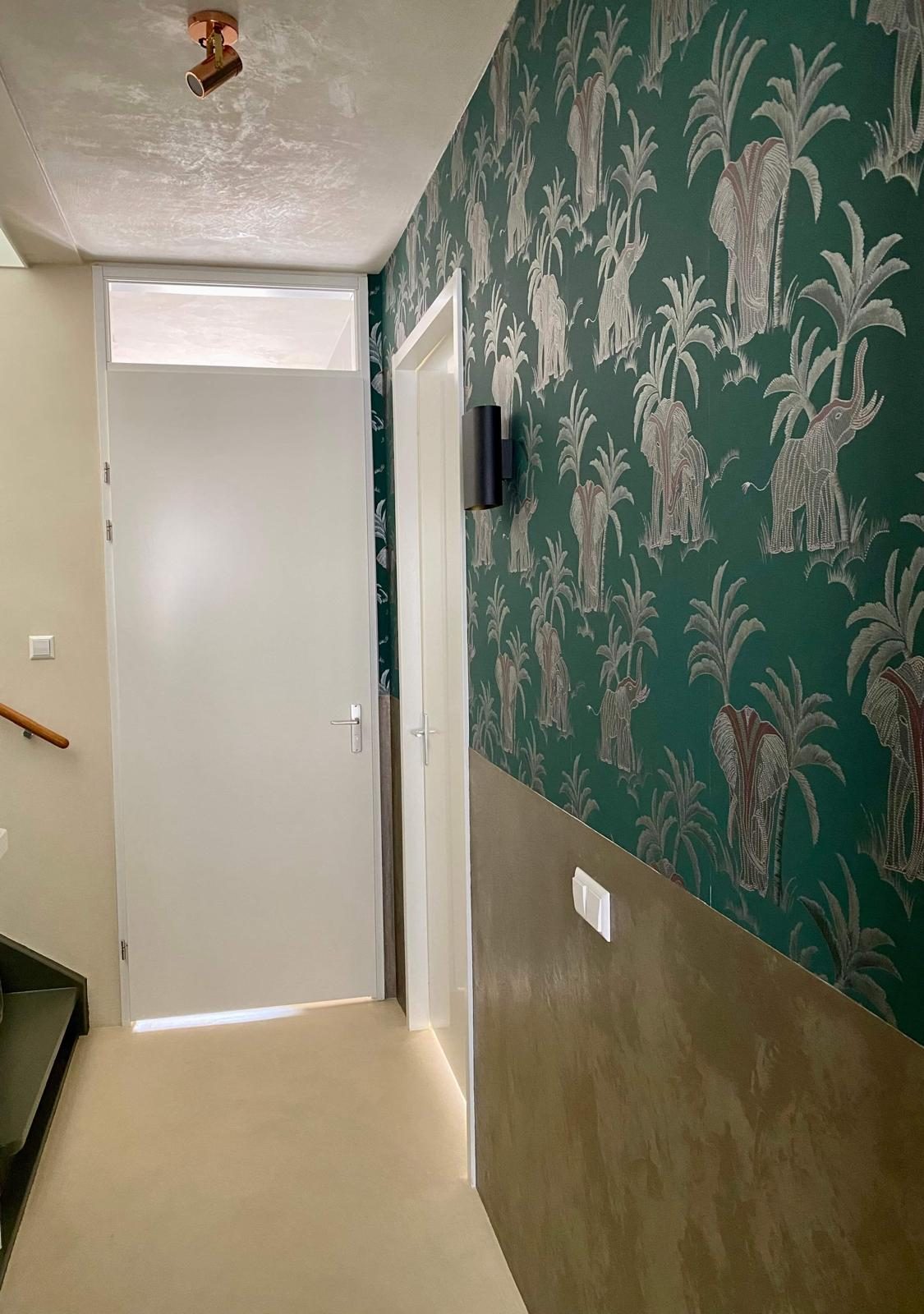
The detail most miss. A continuous ceiling in the same finish closes the room and makes every surface speak as one.
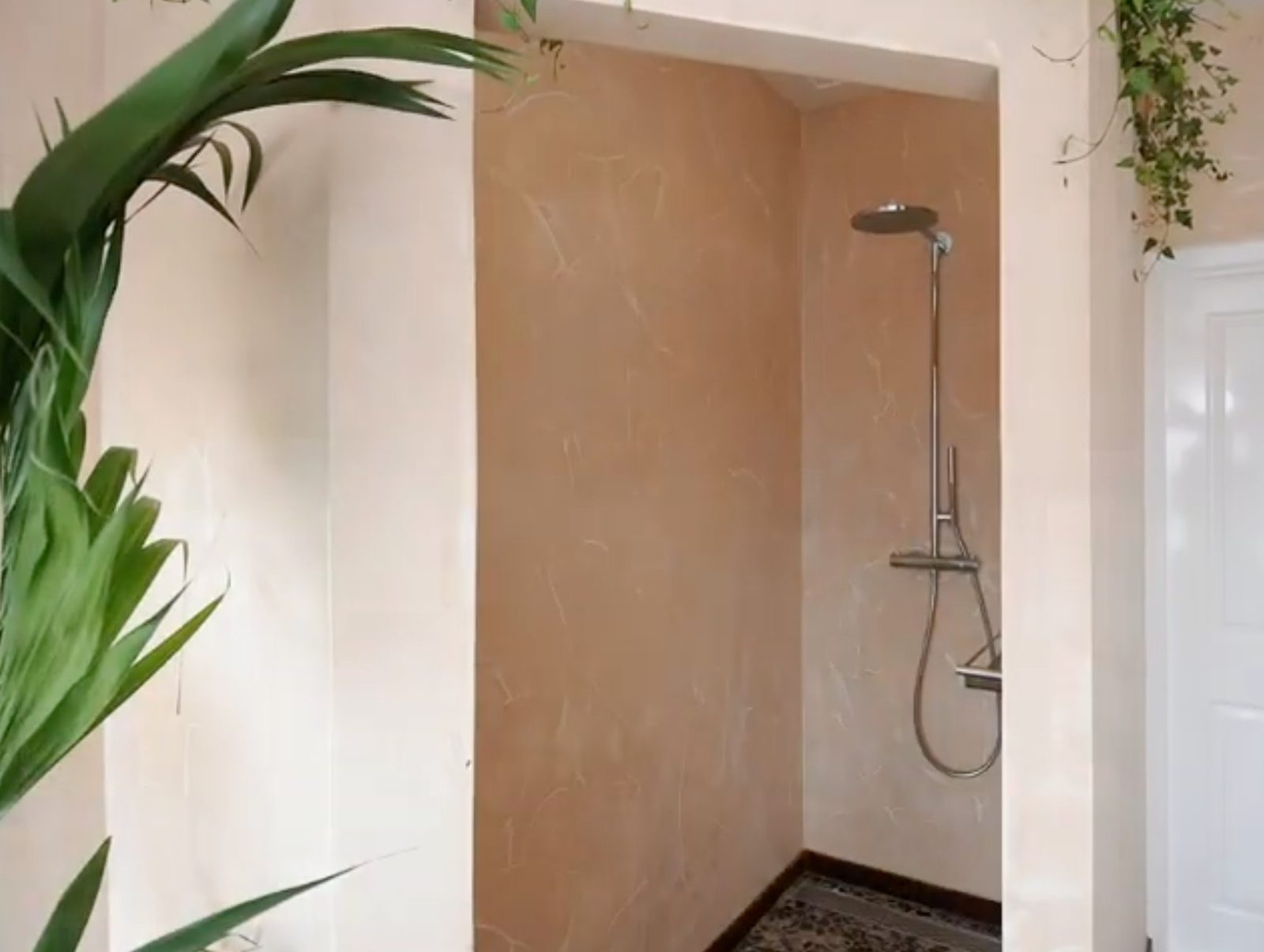
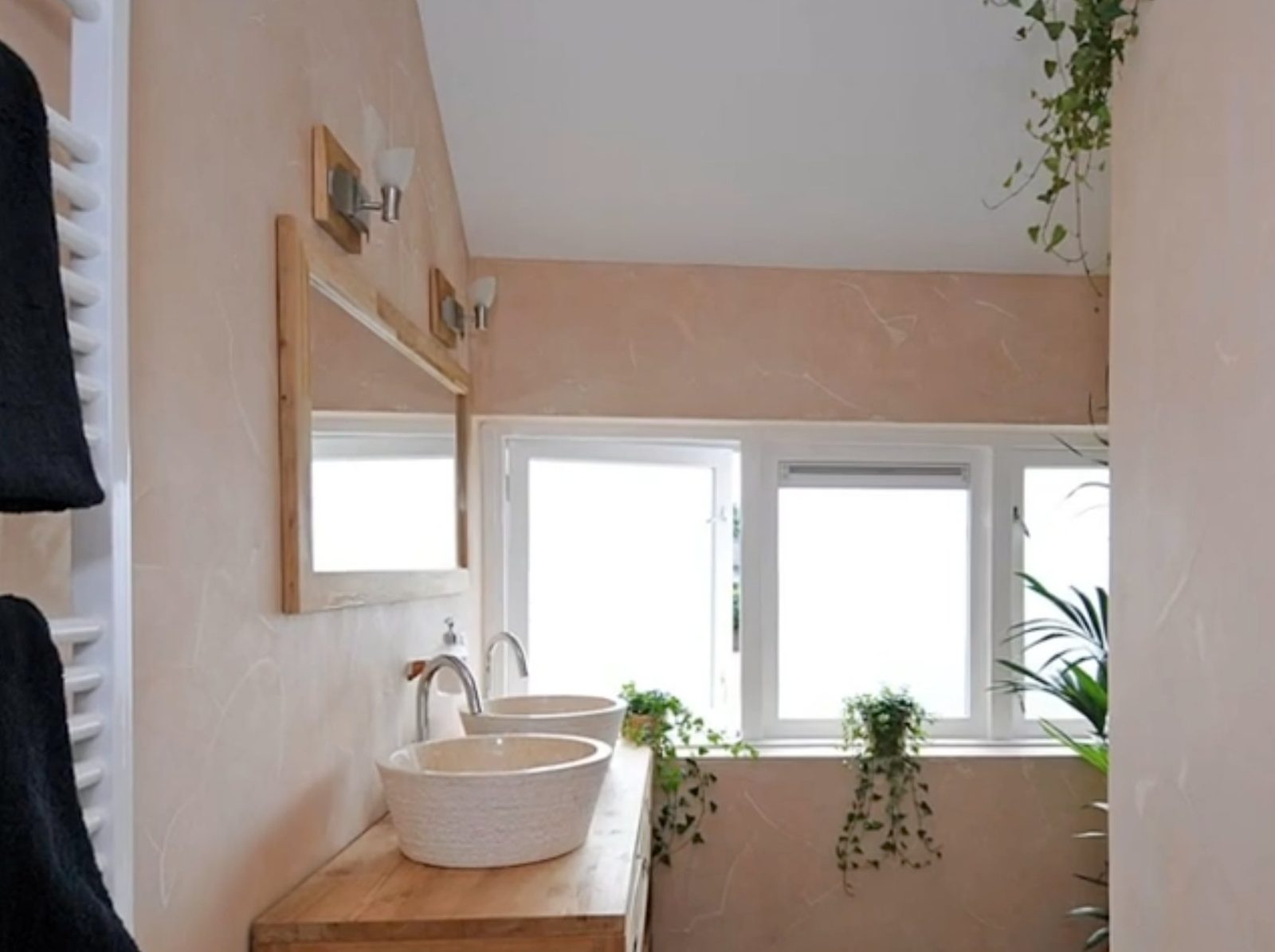
Showers, bathrooms, sinks. Fully waterproof microcement and tadelakt — no grout, no tiles, easier to clean.
Kitchen counters and splashbacks finished in the same continuous material as the surrounding walls and floors.
Bathroom vanities, kitchen cabinets and bespoke built-in wardrobes and storage units made by an interior builder — finished in microcement to match the walls and floors around them.
Both are hand-applied. Both last for decades. The difference is what you want a surface to do — carry the whole room or make a single wall unforgettable.
Applied across entire rooms — floor to ceiling, wall to wall. The material reads as one seamless whole. No joints, no grout, no interruptions. The room gets quieter and more spacious.
Metallic plasters, lime wash, Venetian stucco, hand-troweled tonal layers. One wall, one niche, one ceiling — treated as an artwork. The rest of the room stays simple; this surface carries it.
Beyond microcement: metallic plasters, soft lime washes, hand-troweled tonal layering. Used as feature walls, full rooms, or applied across commercial interiors.

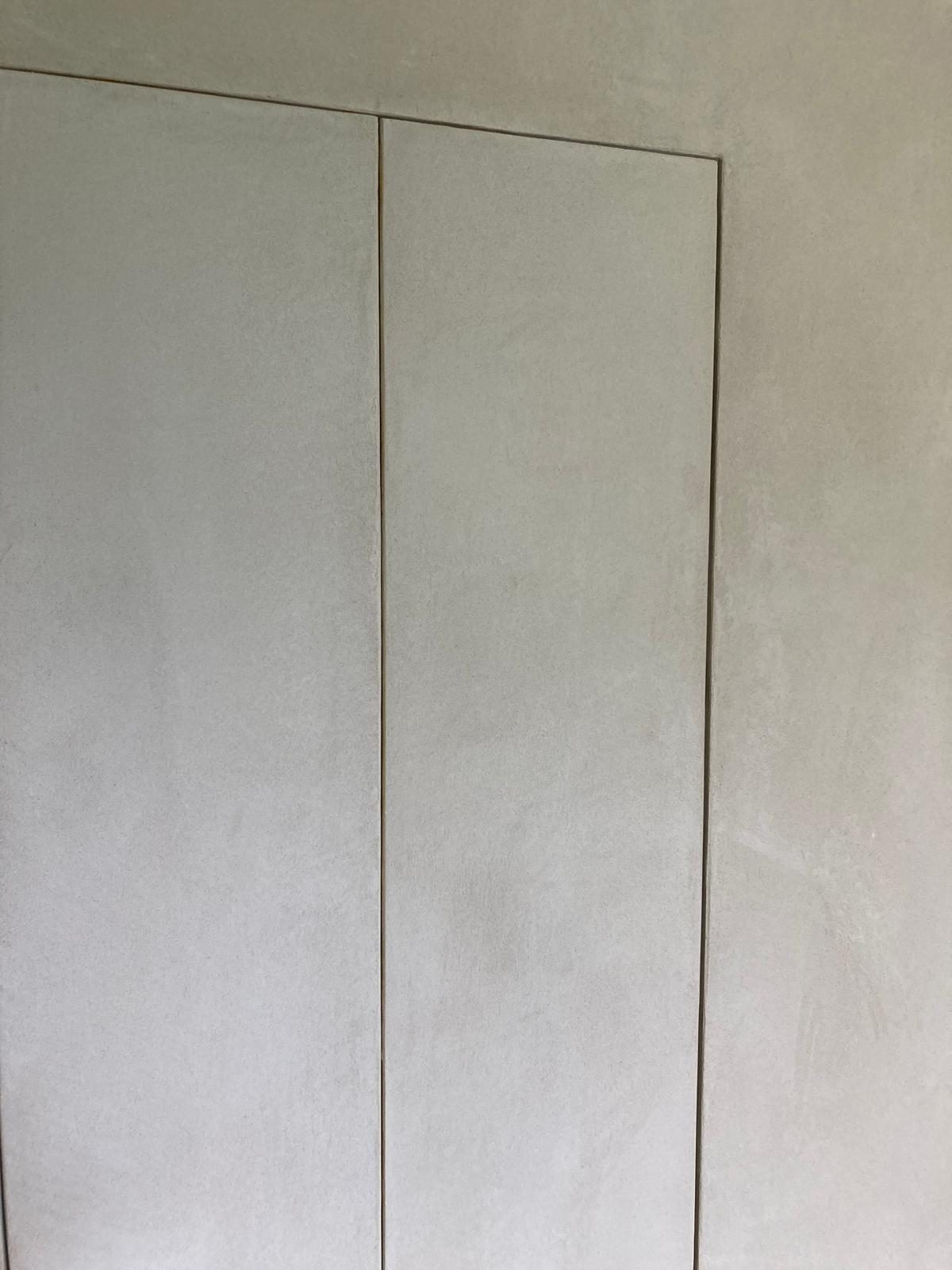
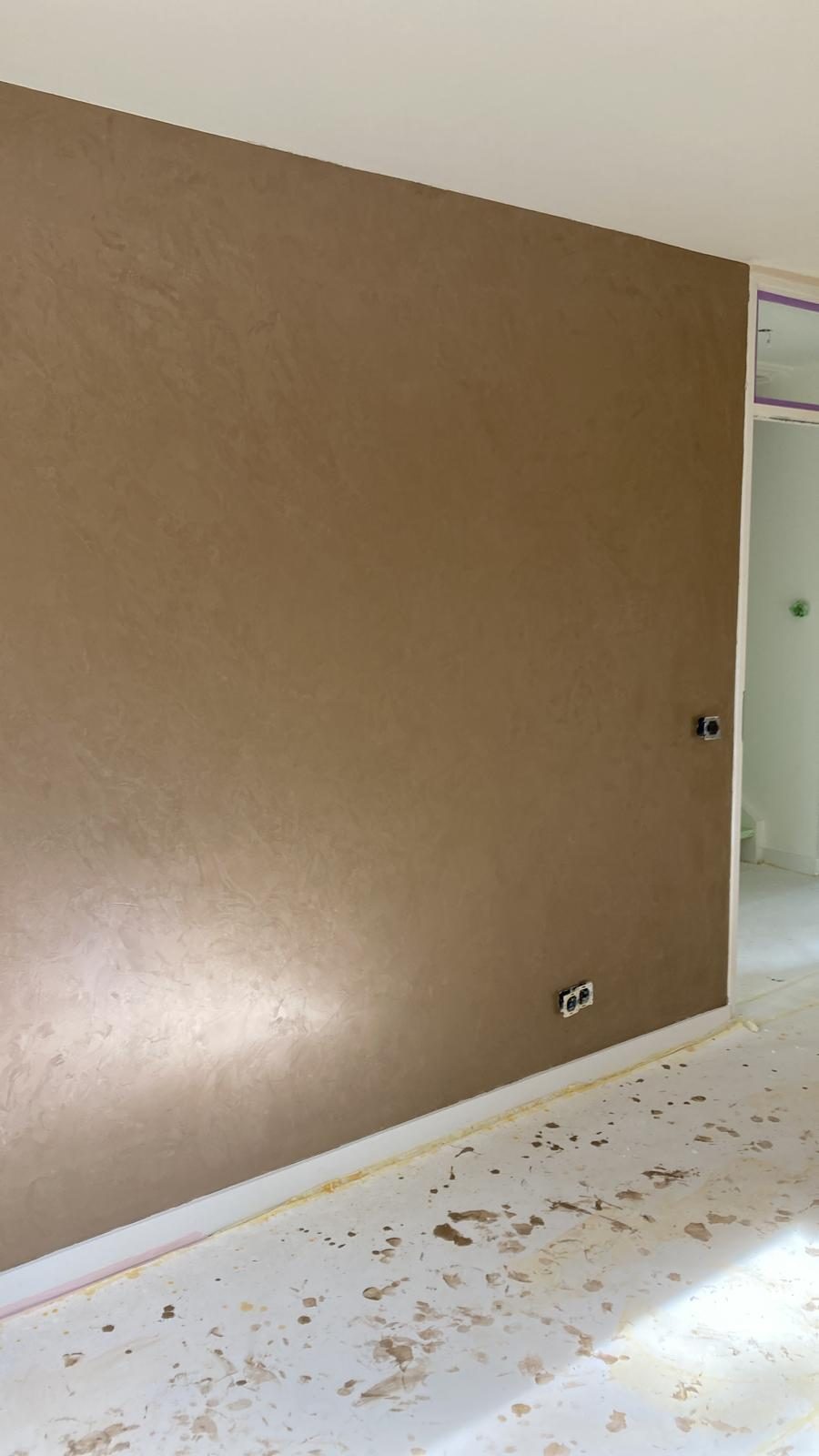
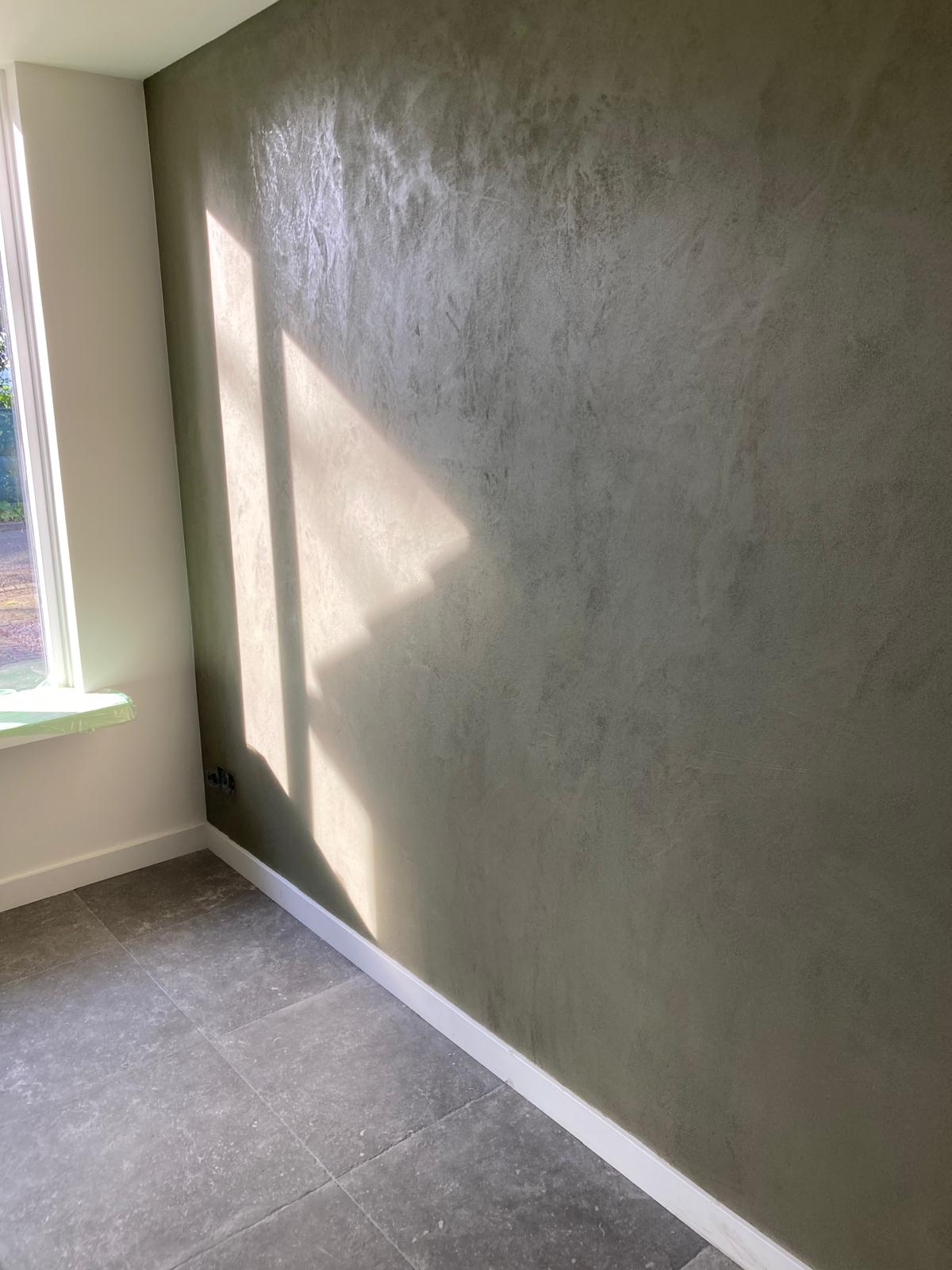

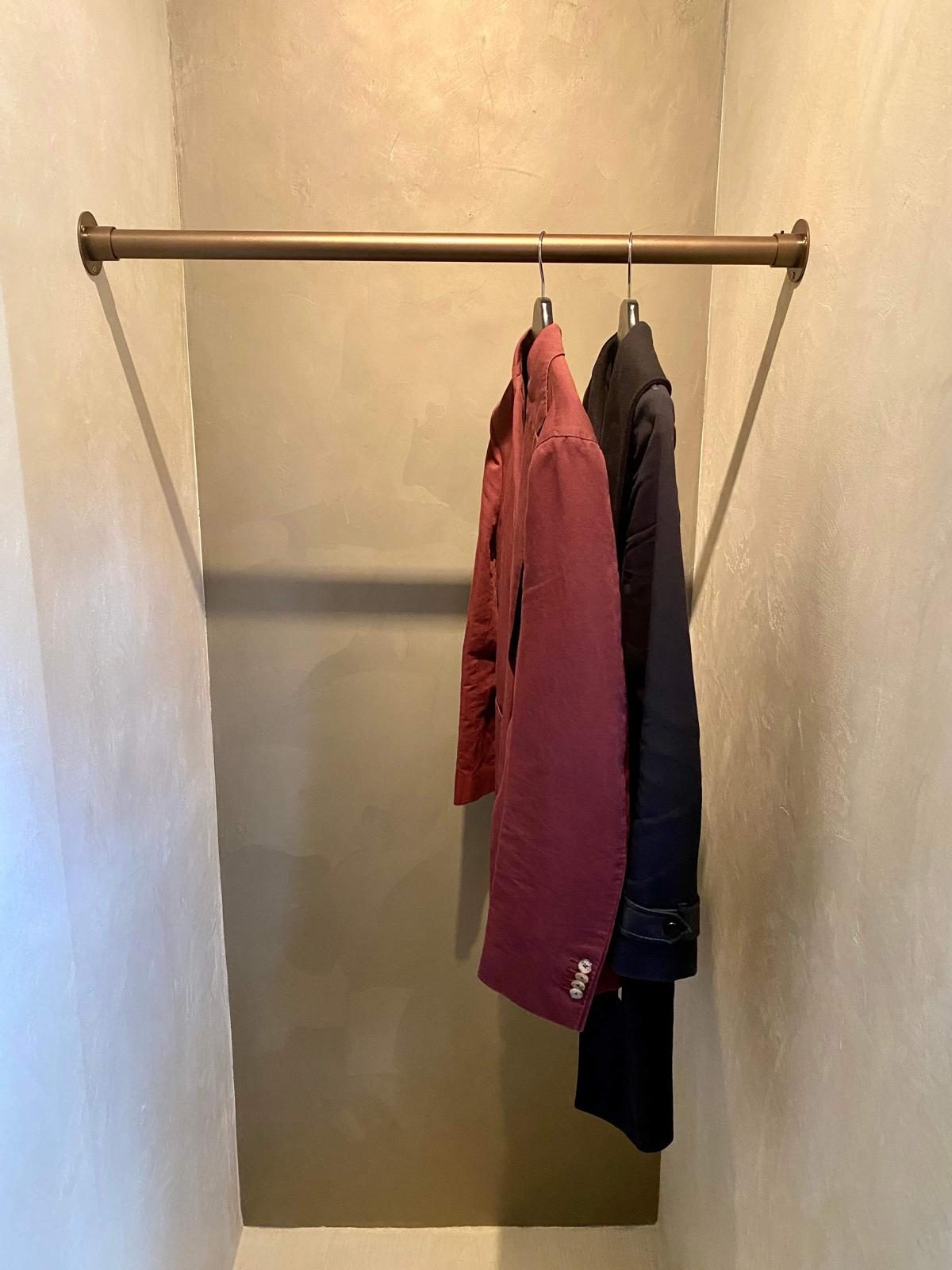

Imagine a kitchen where the floor, walls and splashback flow into each other without a single grout line breaking the calm. Microcement makes that possible — applied by hand, tinted to your exact palette, and finished to whatever texture feels right. The result is a space that looks considered rather than assembled.
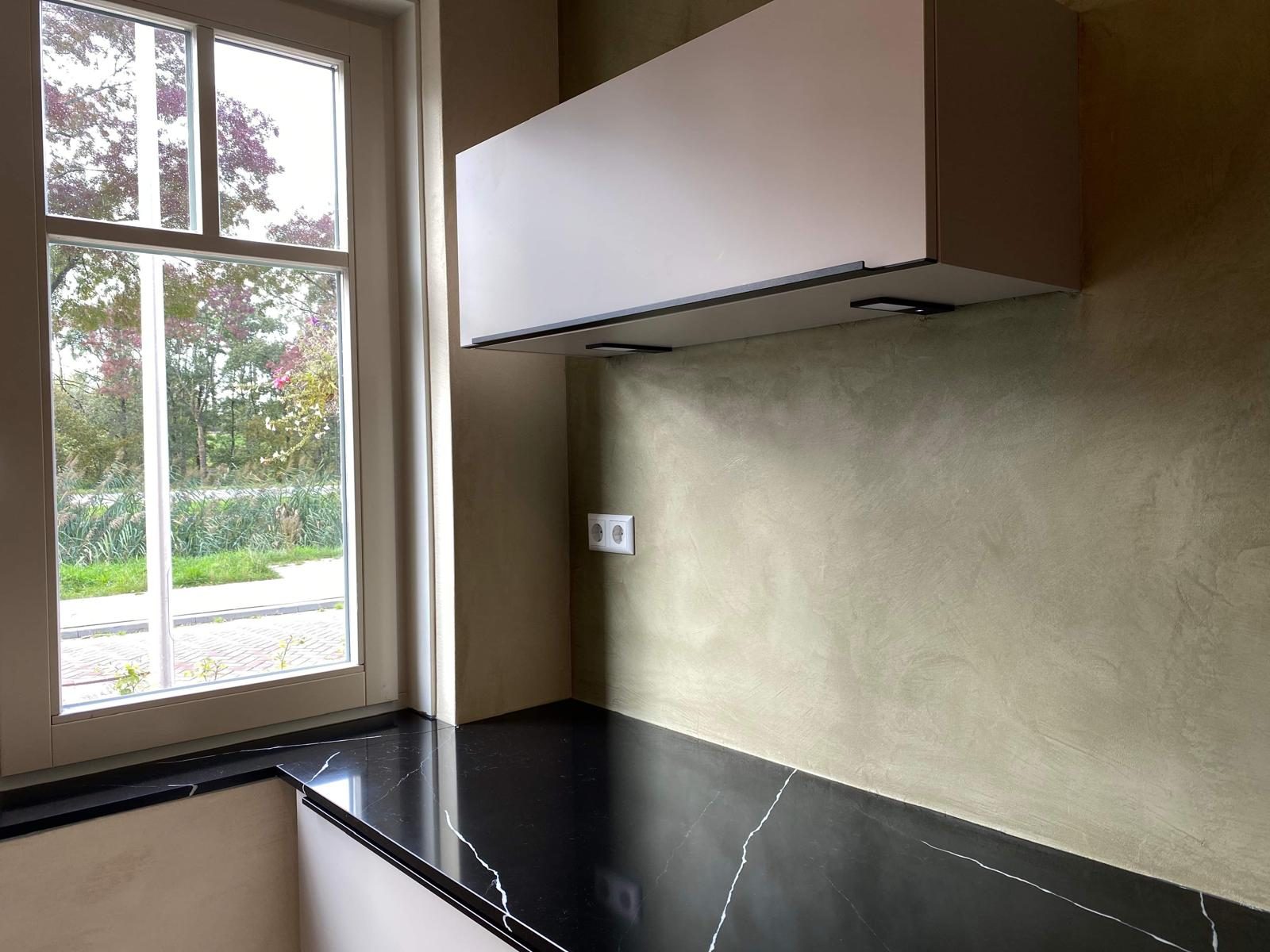
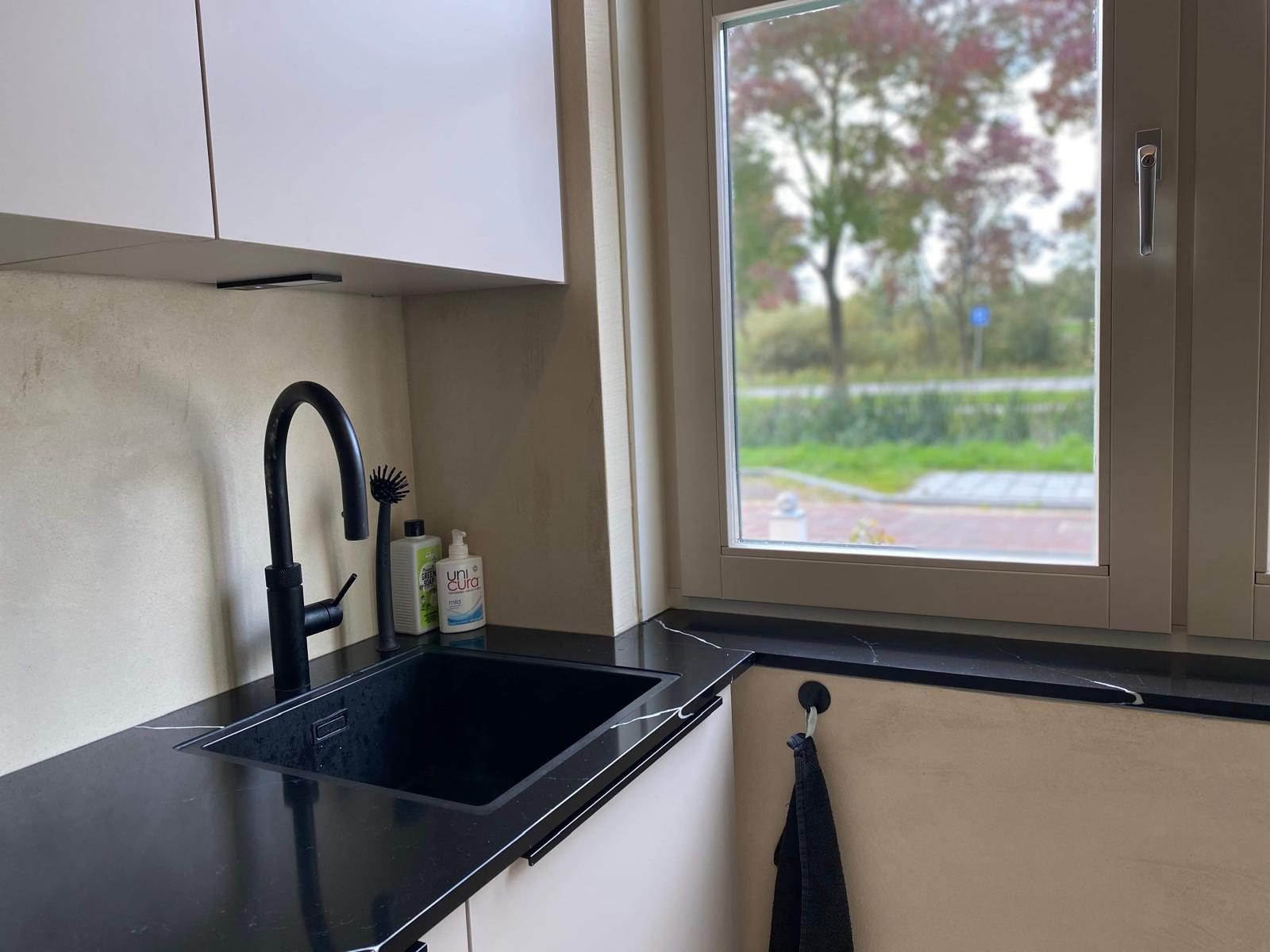
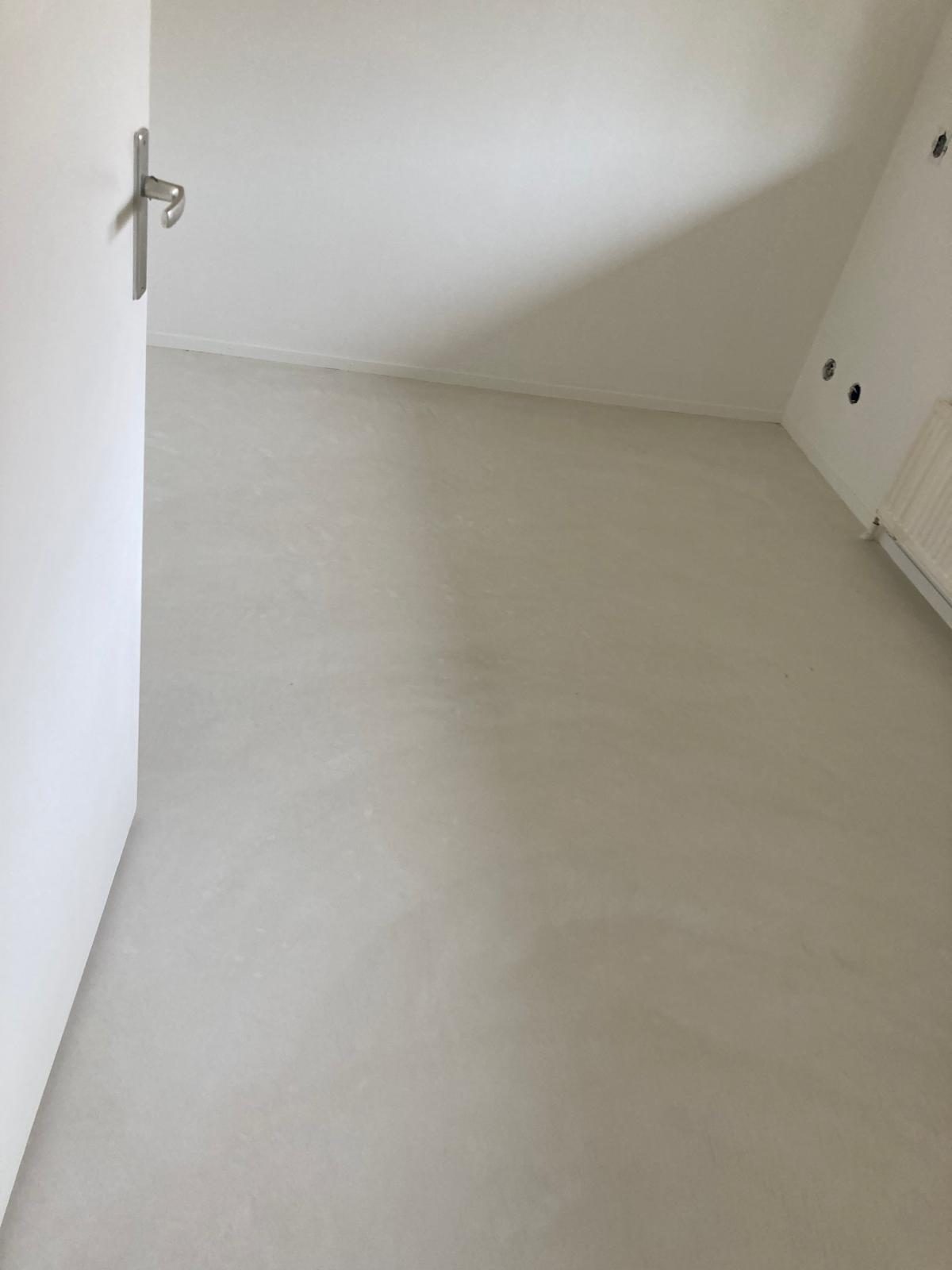
Waterproof microcement turns bathrooms and showers into continuous, tactile rooms — no tiles, no grout lines to clean.
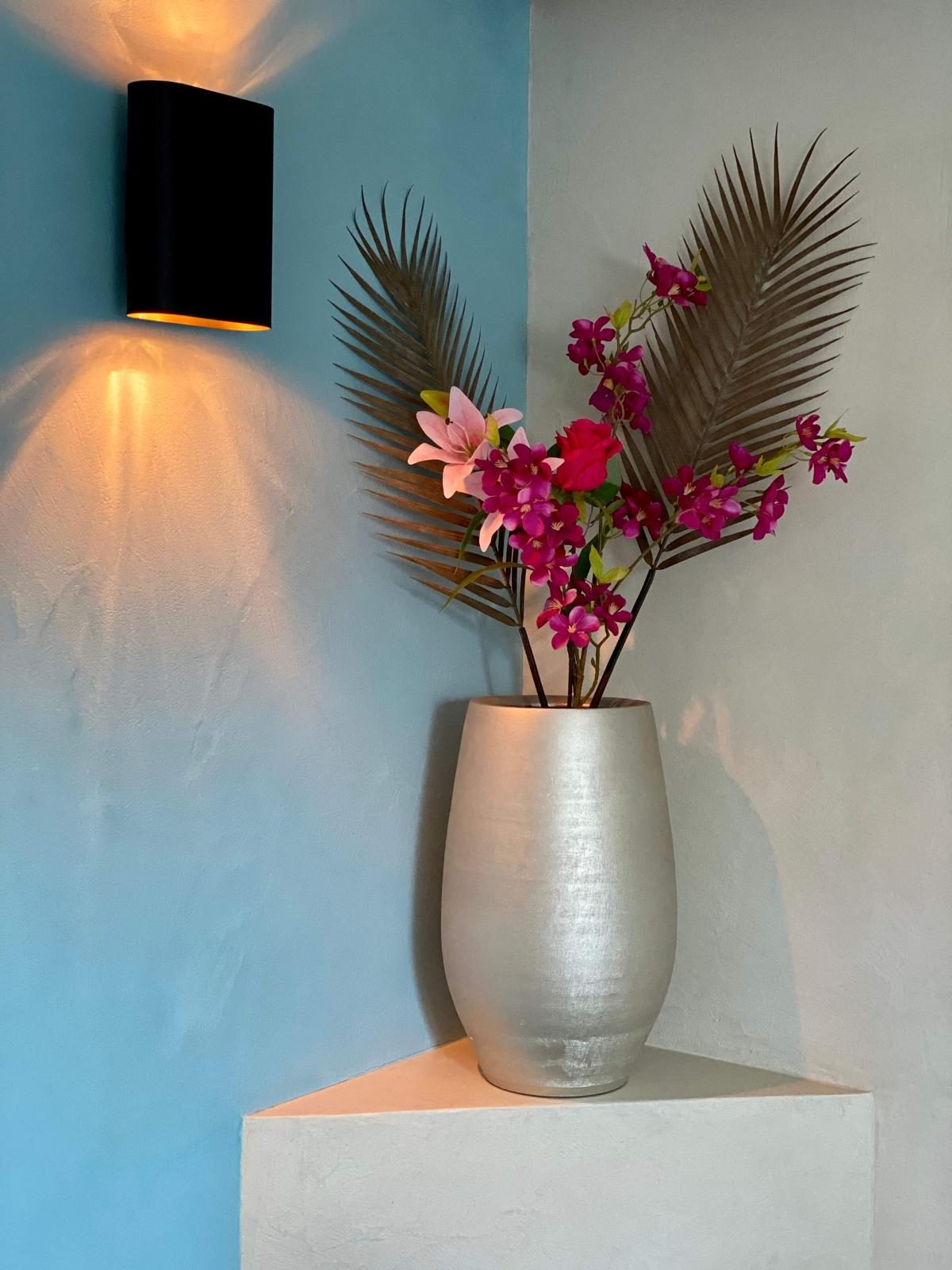
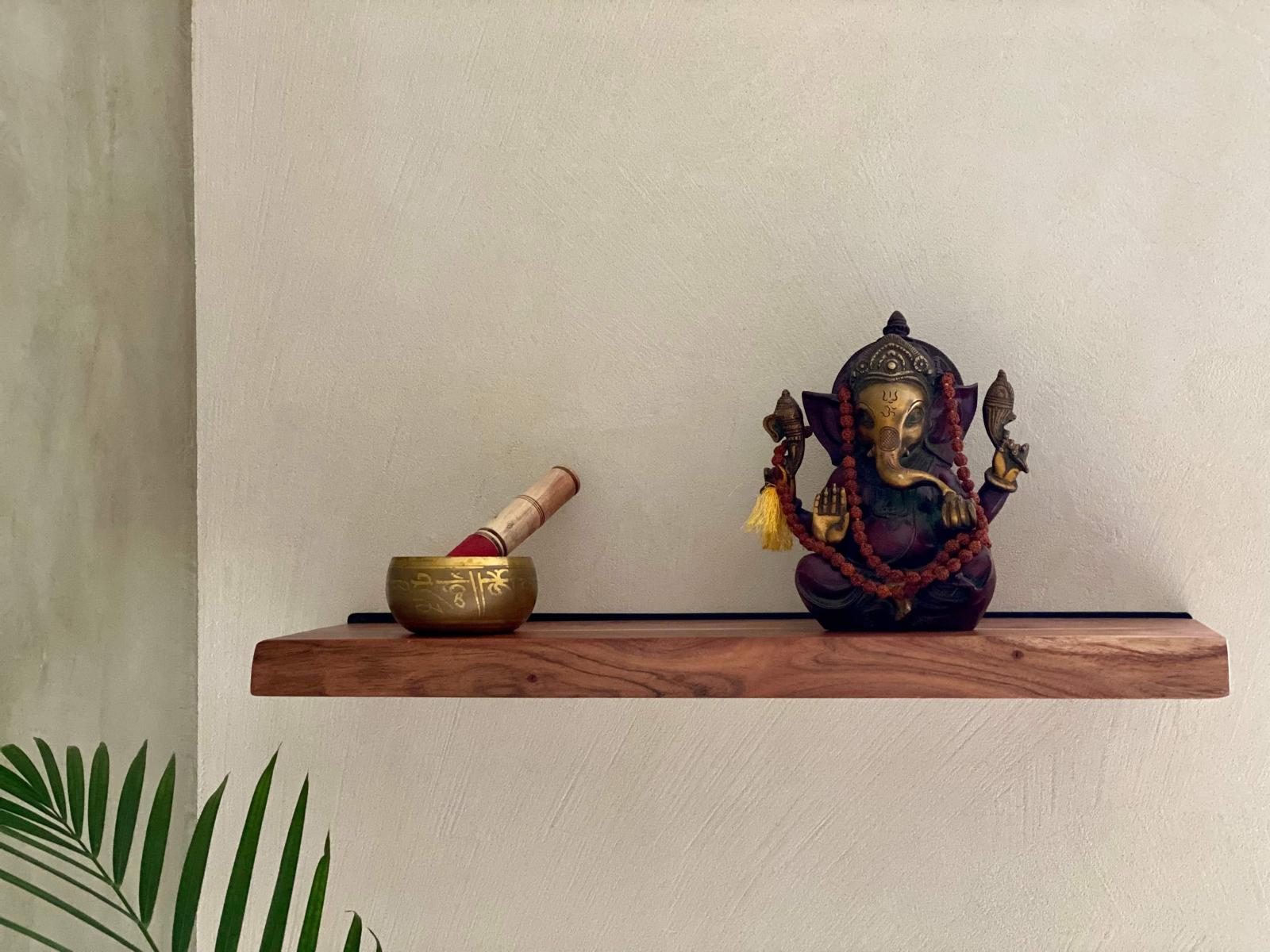
A garderobe niche. A floating shelf. A wall lamp throwing light across a soft plaster surface. The details where craft is visible up close.

Swipe to explore the details — the texture, the trowel marks, the depth that no tile can replicate.
Bronze metallic plaster
Lime wash — blue
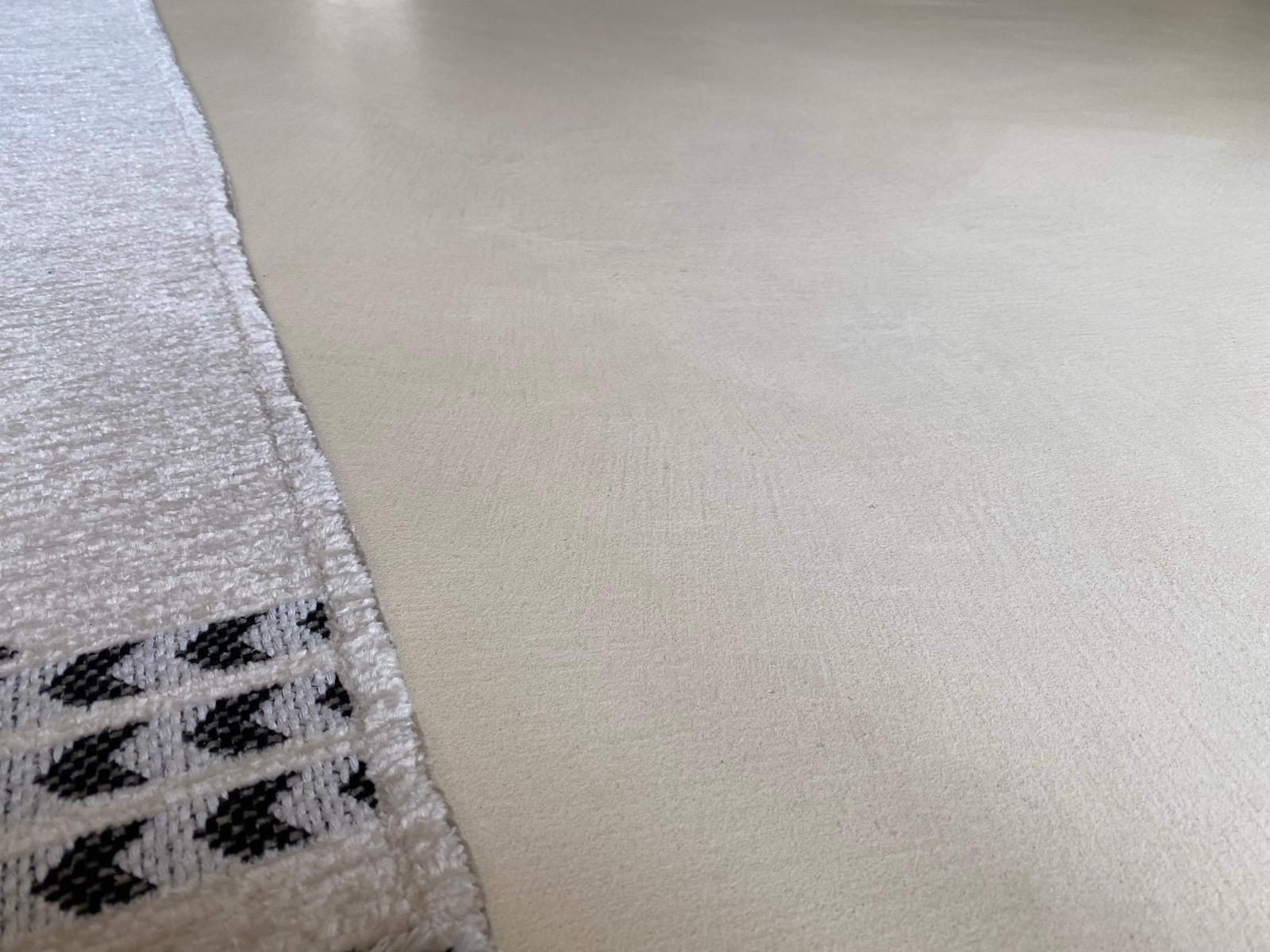 Microcement floor
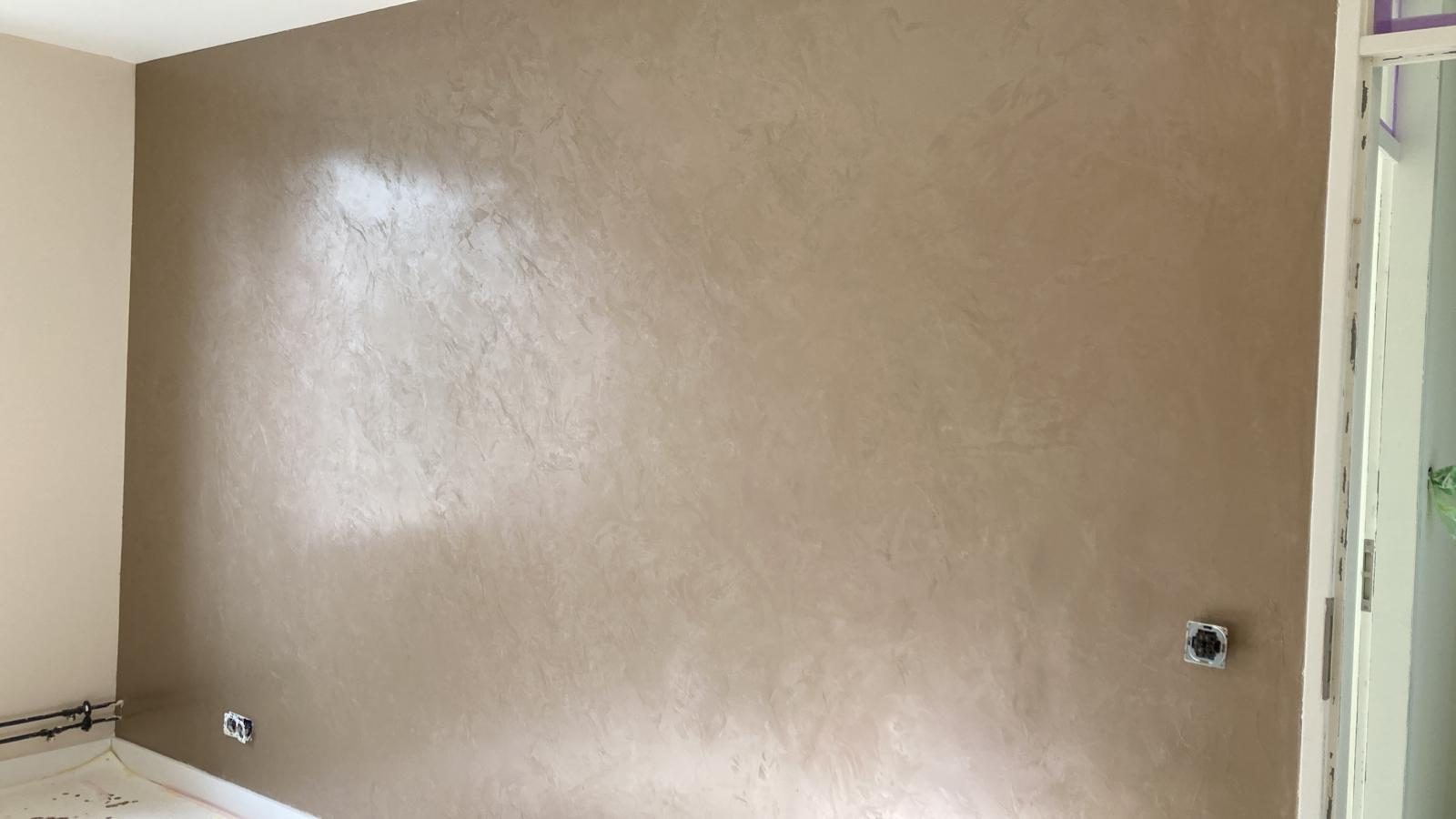 Decorative plaster — olive
Wet area — terracotta
Tonal layering — blue
Garderobe niche
Decorative plaster — olive
Wet area — terracotta
Tonal layering — blue
Garderobe niche
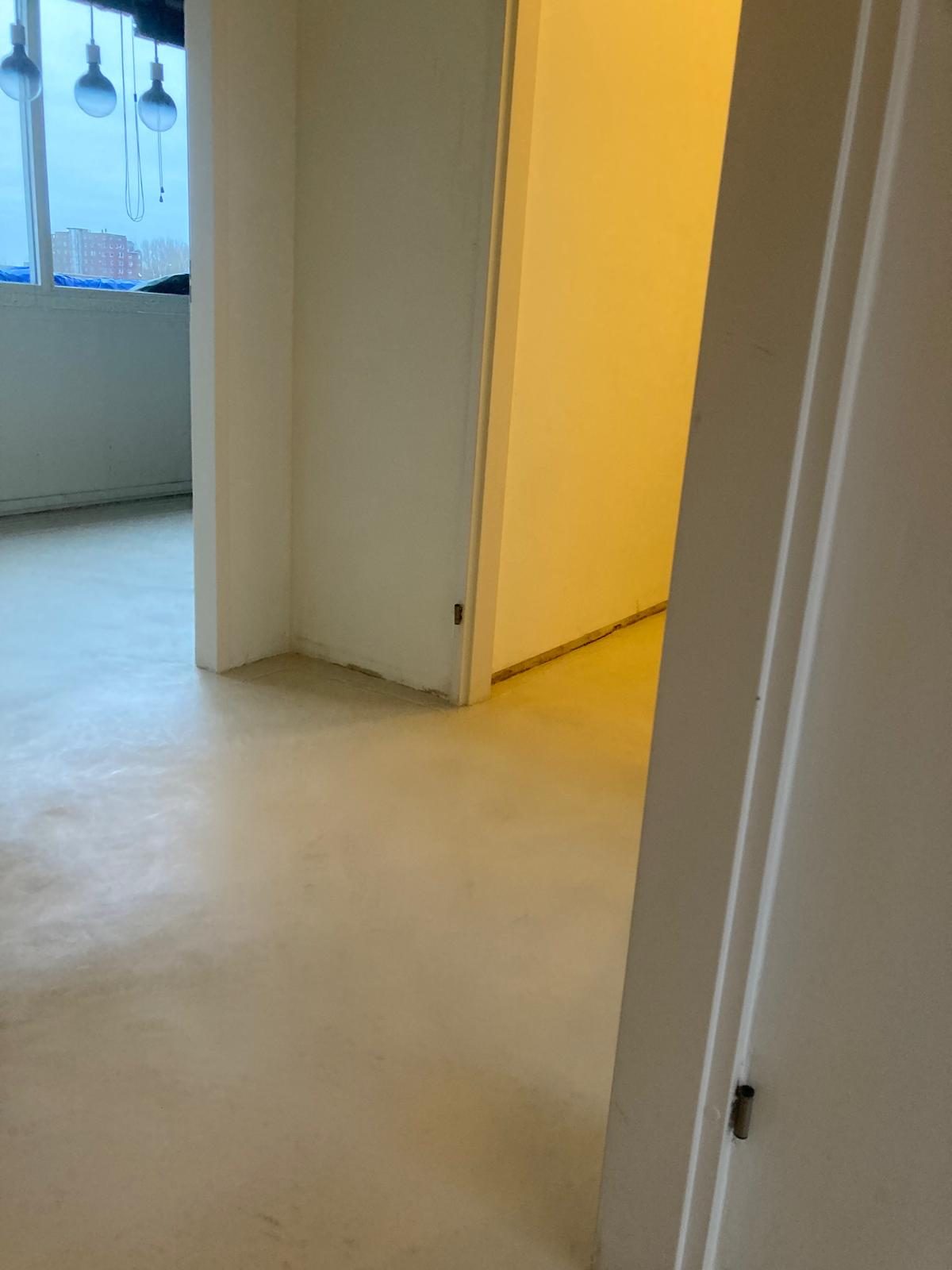 Floor texture detail
No two square meters are identical. The hand of the artisan stays visible — subtle troweling marks, soft tonal shifts, the cloud-like patterning that makes microcement feel alive.
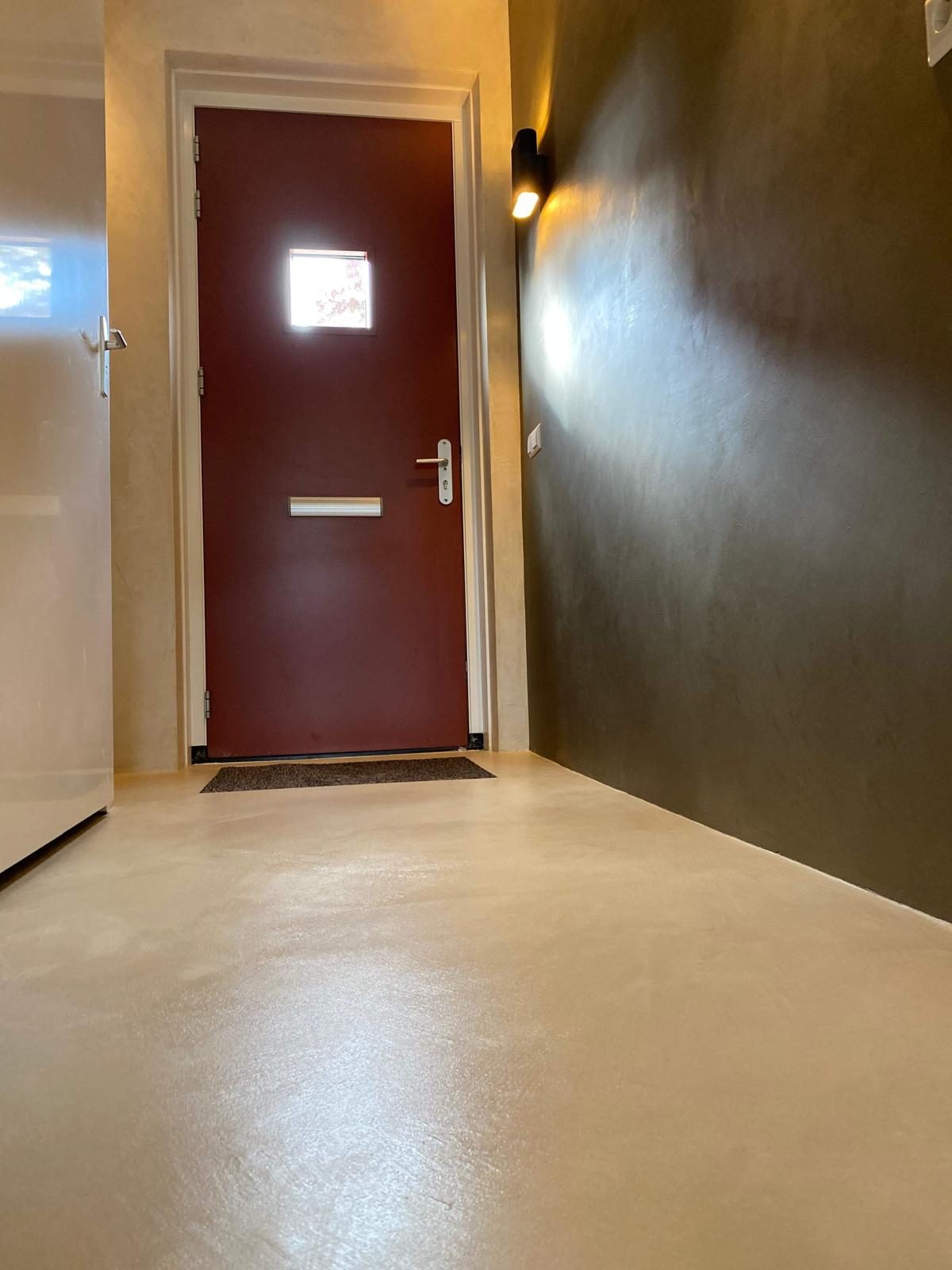
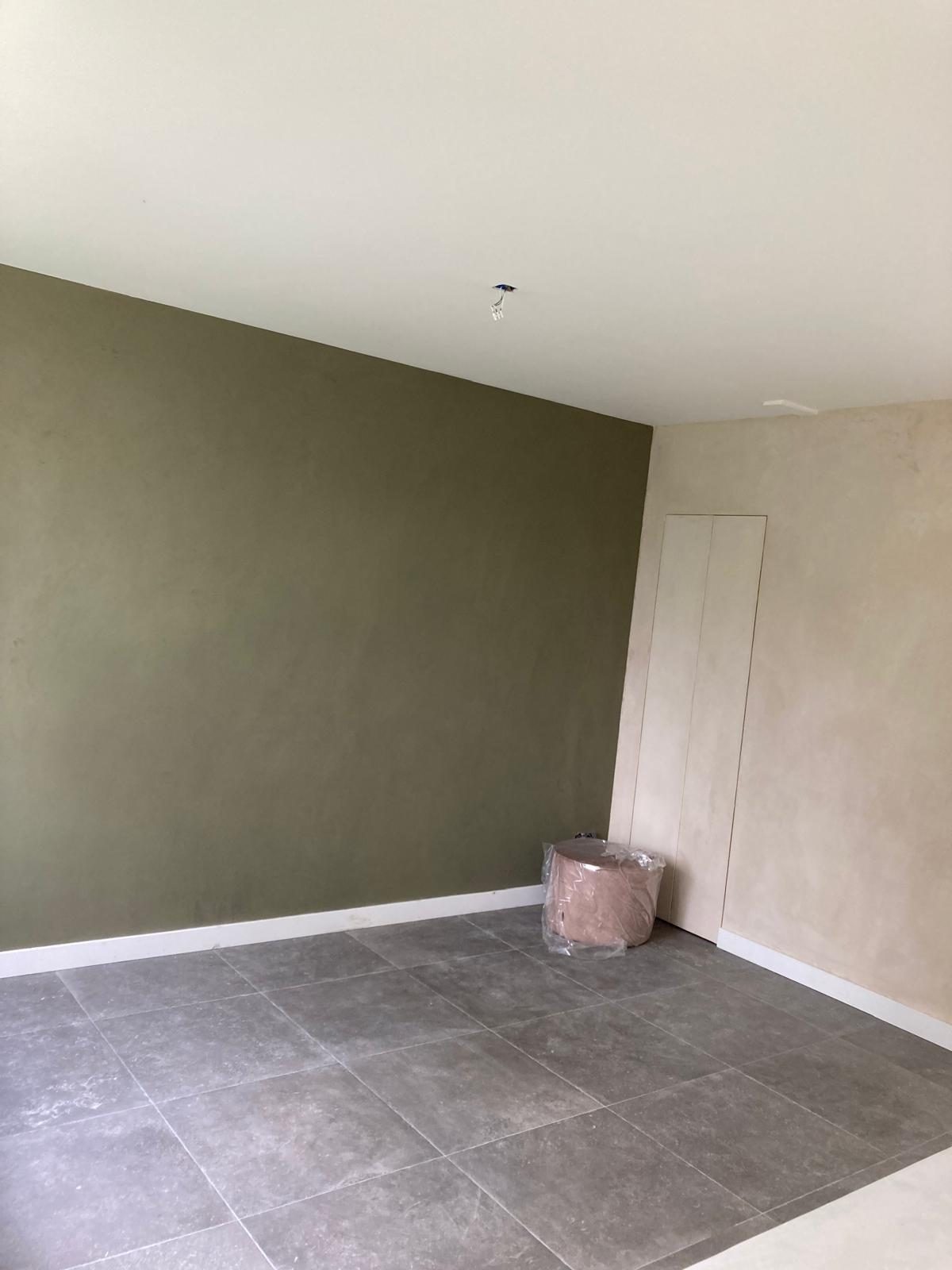
“When every surface speaks the same language, a house stops being a collection of rooms and starts being a home.”
No two square meters are identical. The hand of the craftsman stays visible — that is precisely what makes it last.
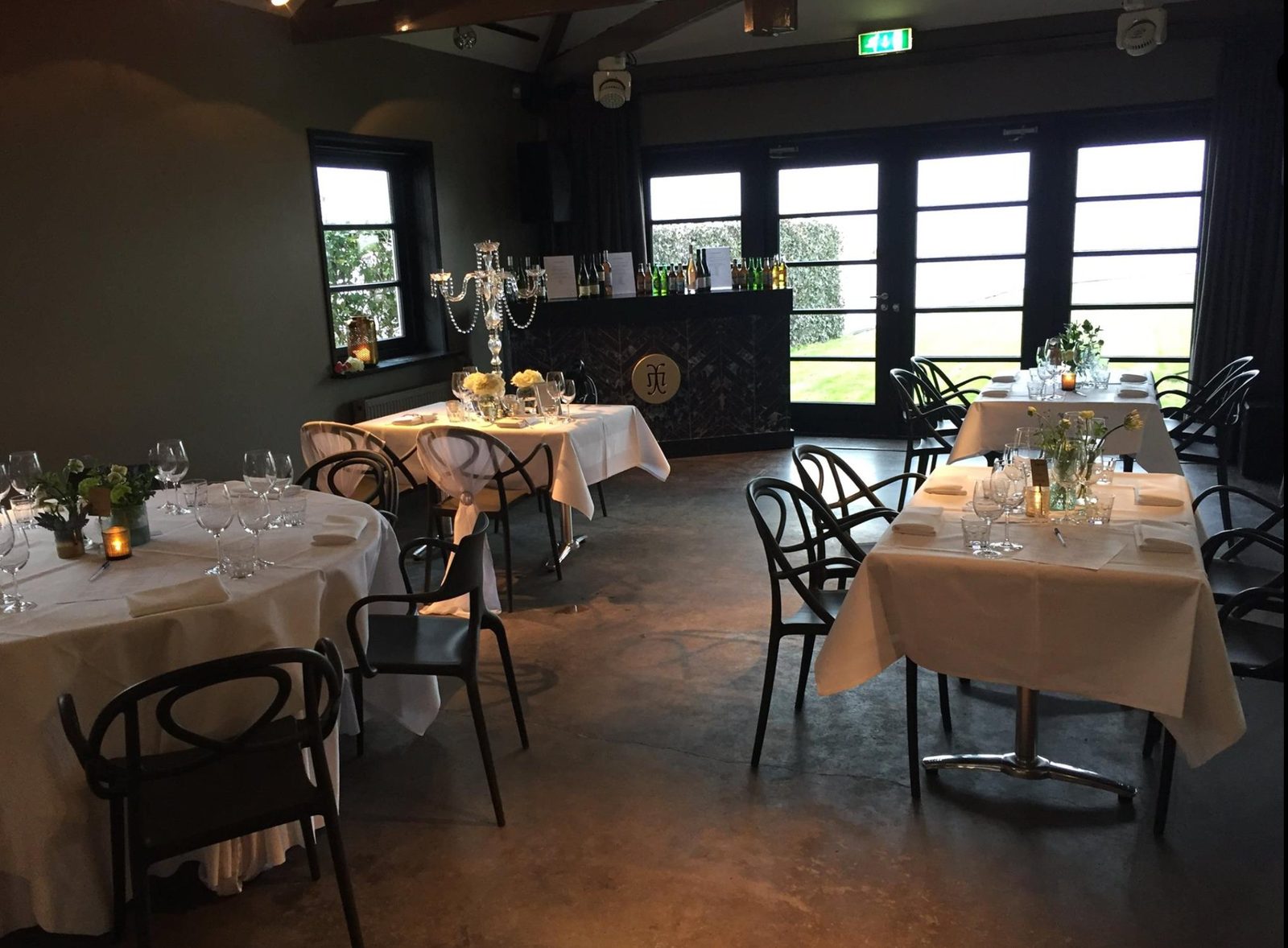
Erik de Graaf — Family WallsThe images below are from Finley Het Witte Huis in Loosdrecht. A wedding and events venue where every surface has to withstand intensive daily use, yet still hold the calm, refined atmosphere guests come for.
Together with the client we searched for the right application: a finish that could carry the wear of a hospitality environment while delivering something genuinely unique and built to last.
It is exactly that balance: Durability without compromise on character that brings this material into its own. From wedding venues to private clubs, restaurants and event spaces. Every project starts with the same question: how do we make a surface that lives up to both the standard of the space and the years it needs to serve.
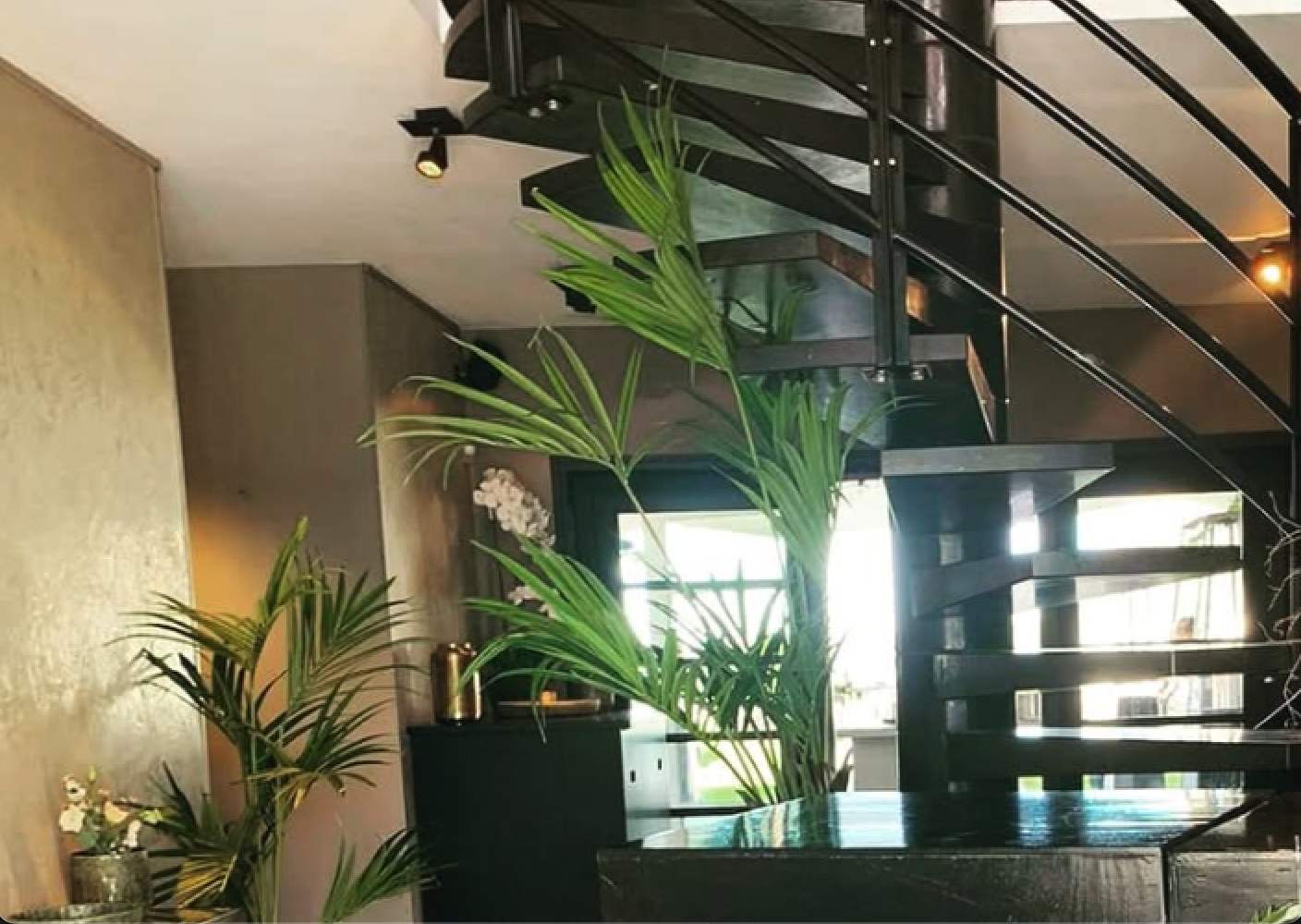
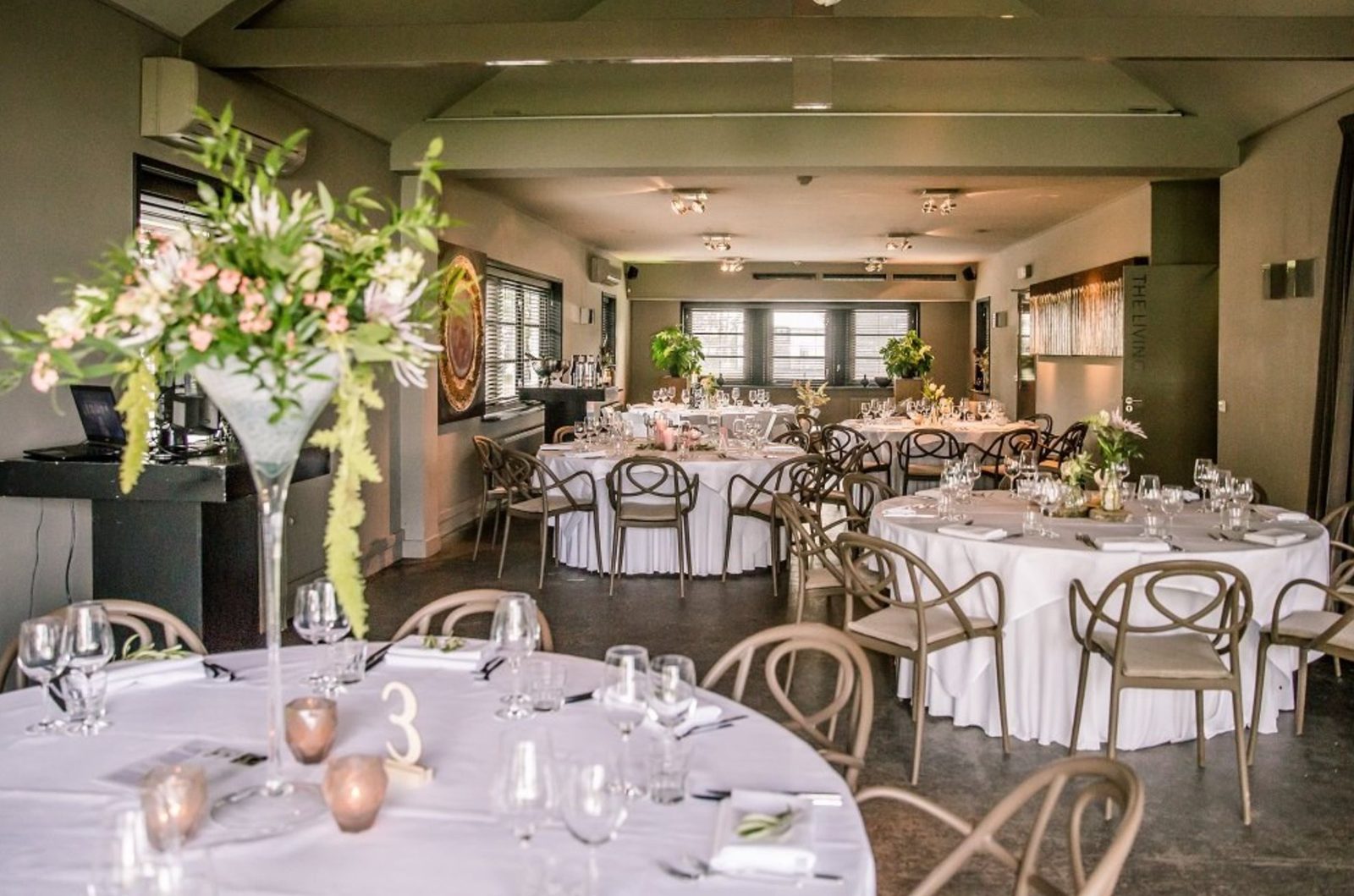
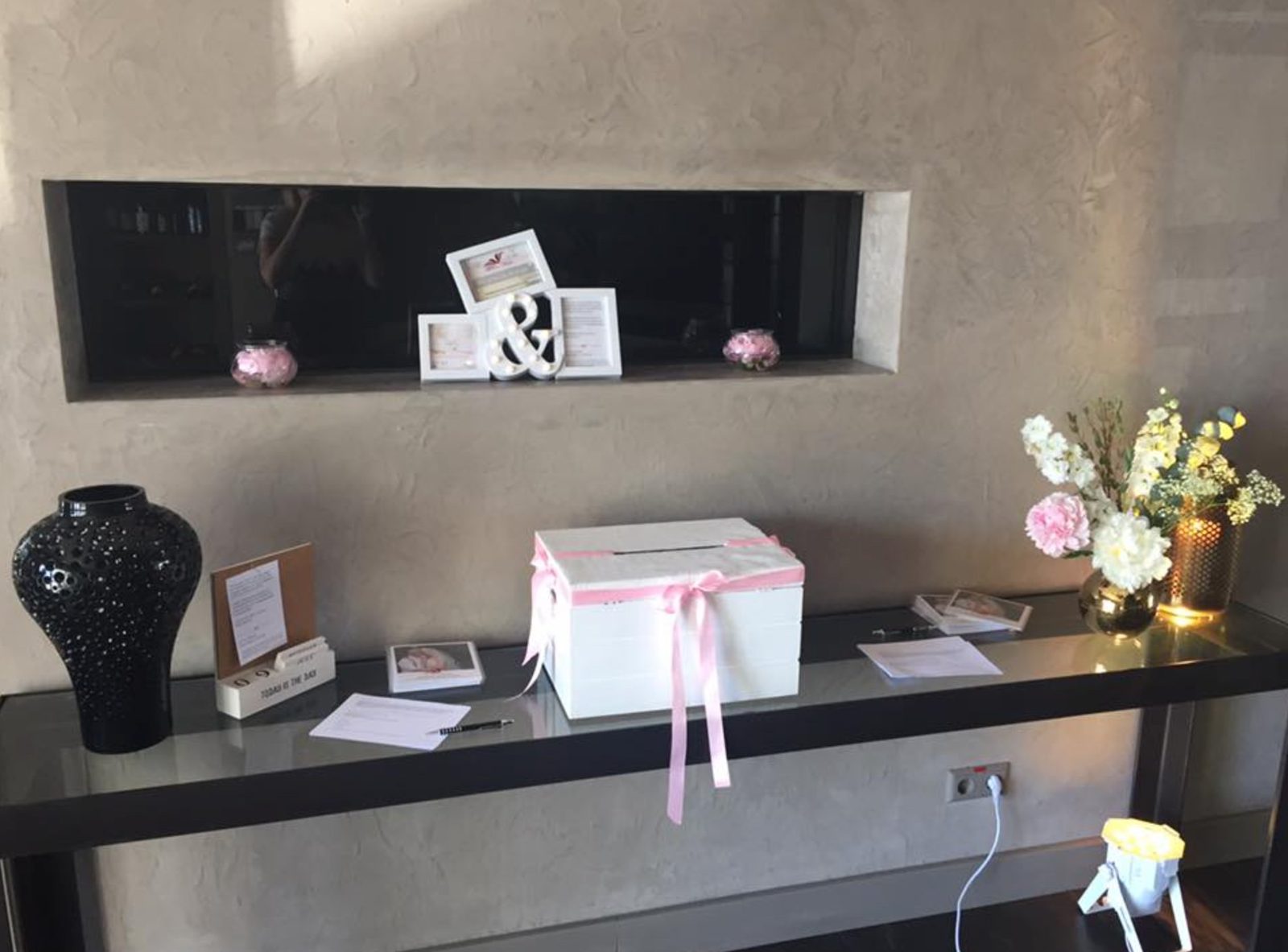
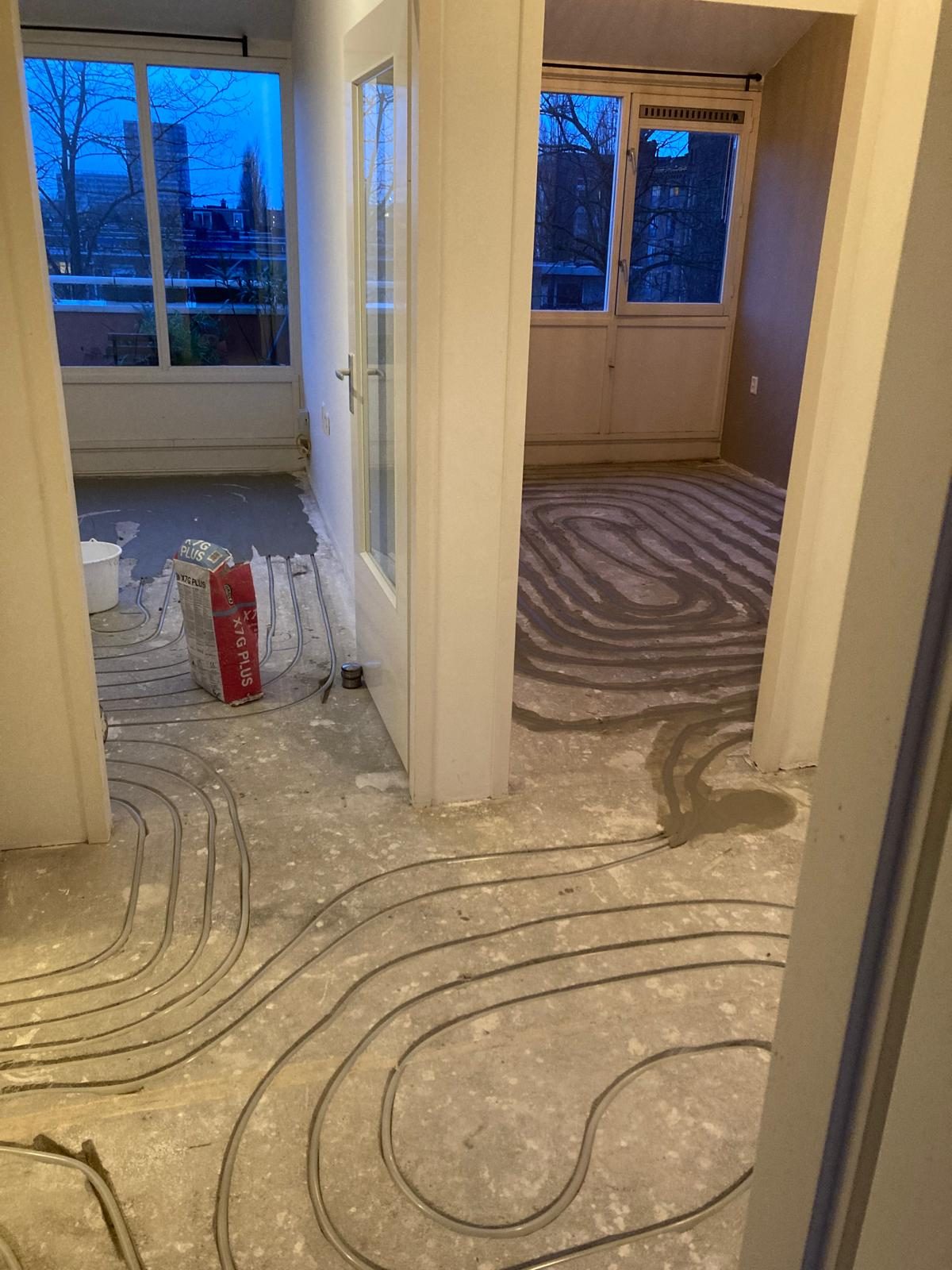
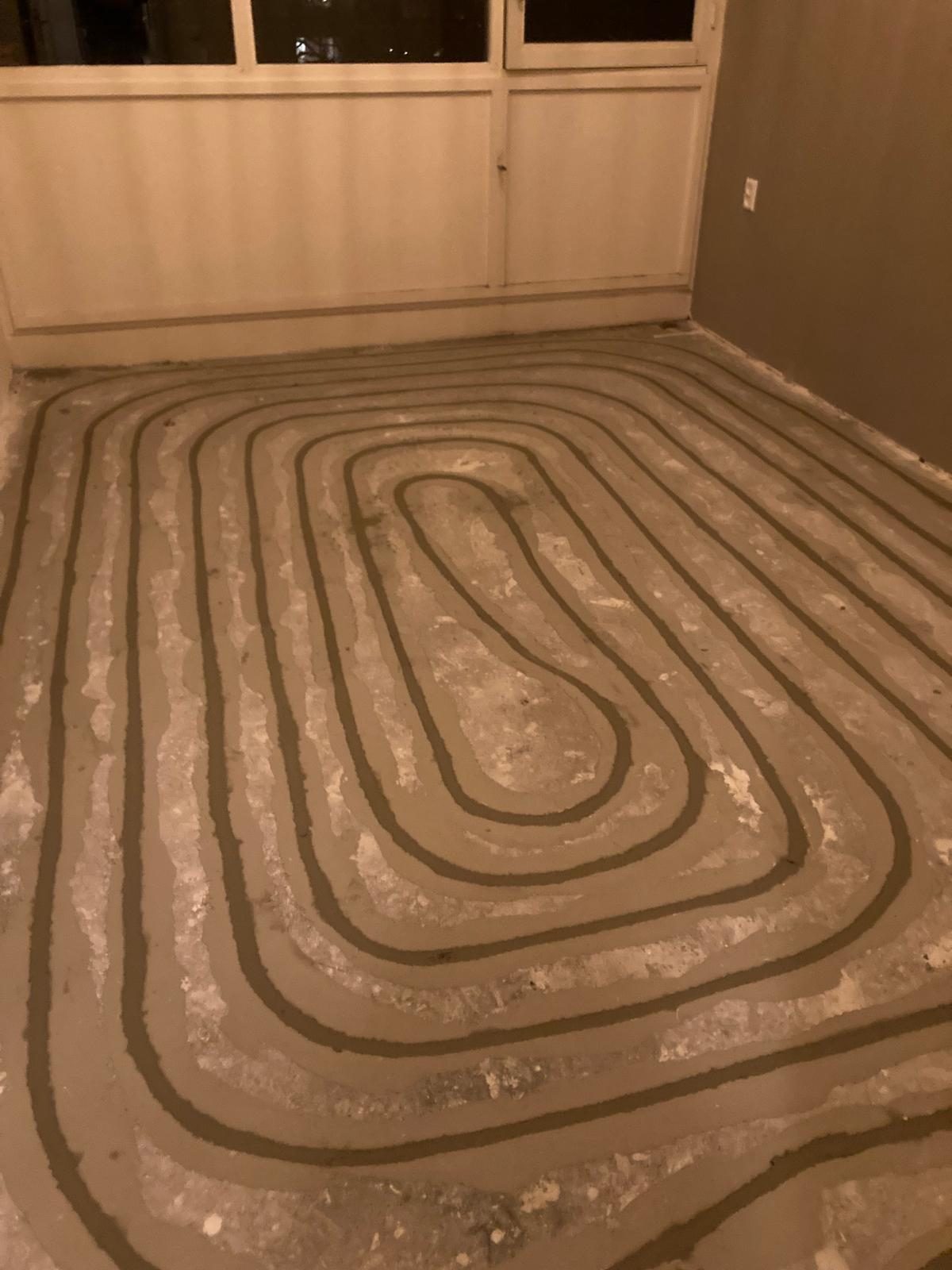
A microcement surface is not poured — it is built up layer by layer. Levelling, primer, mesh, base coats, finish coats, sealers. Every step done right is what gives the surface its depth, durability and character. When clients choose underfloor heating, we integrate that too — microcement and radiant floor heating are a natural match, and we handle the full sequence from start to finish.
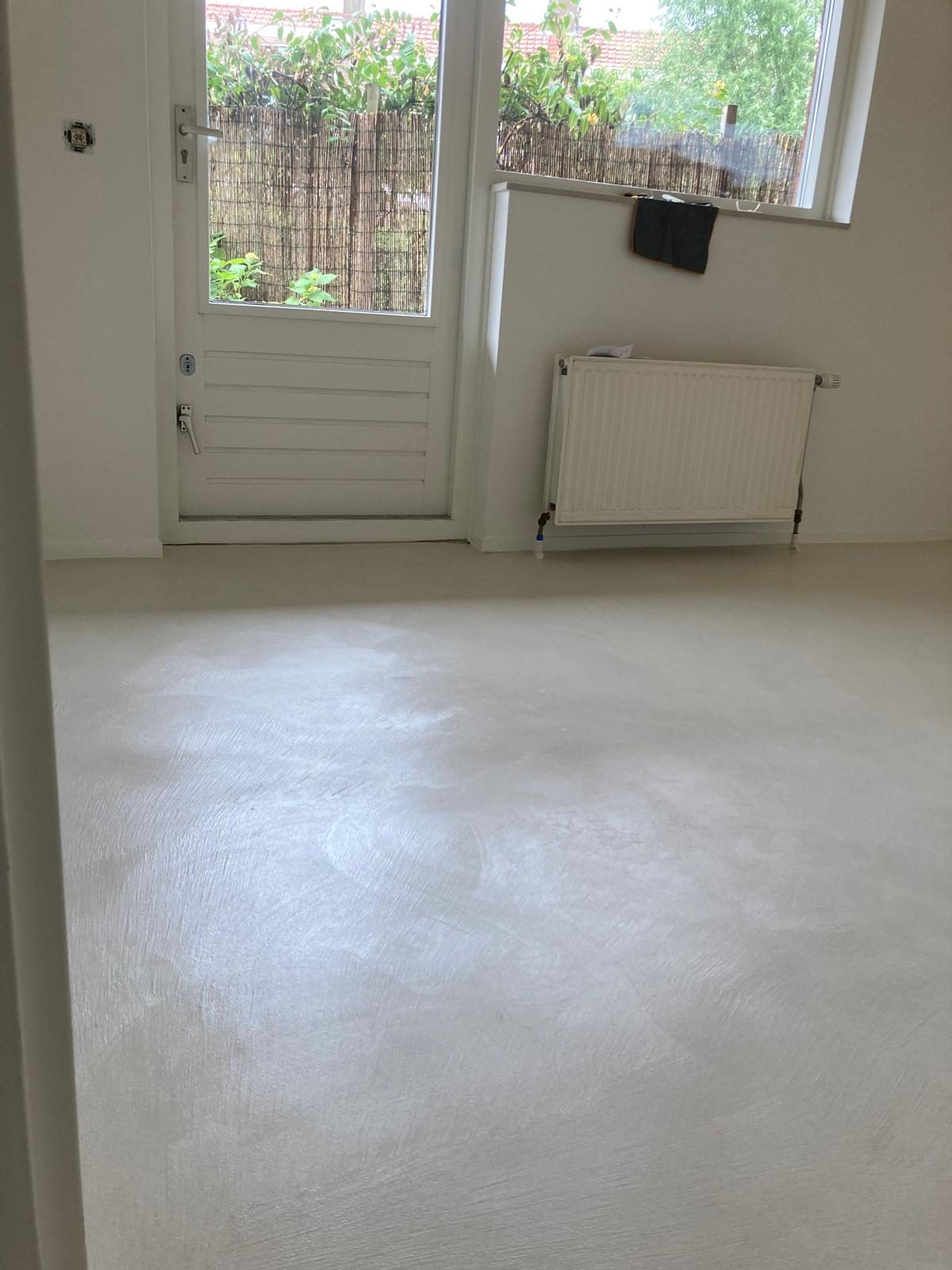
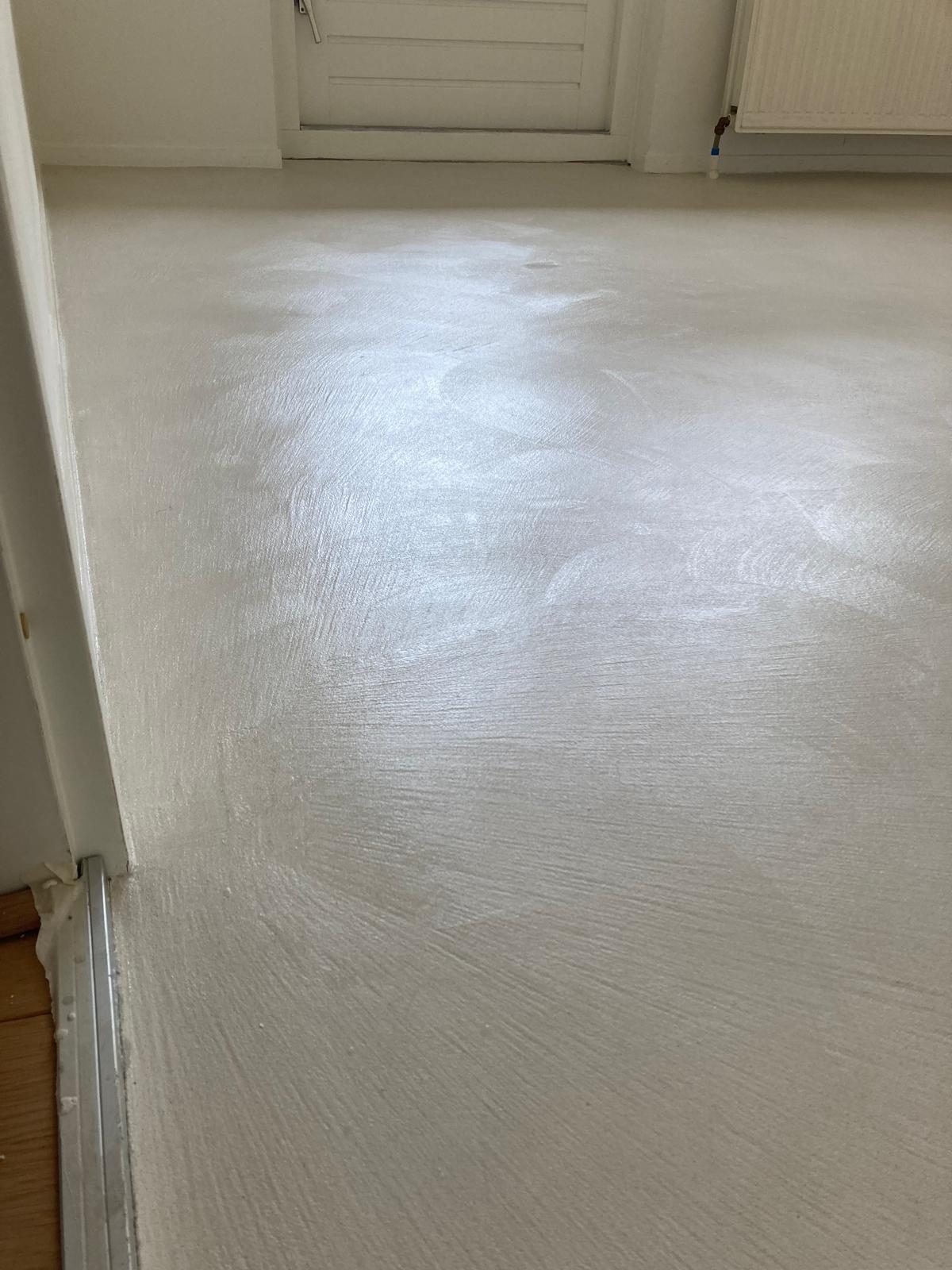
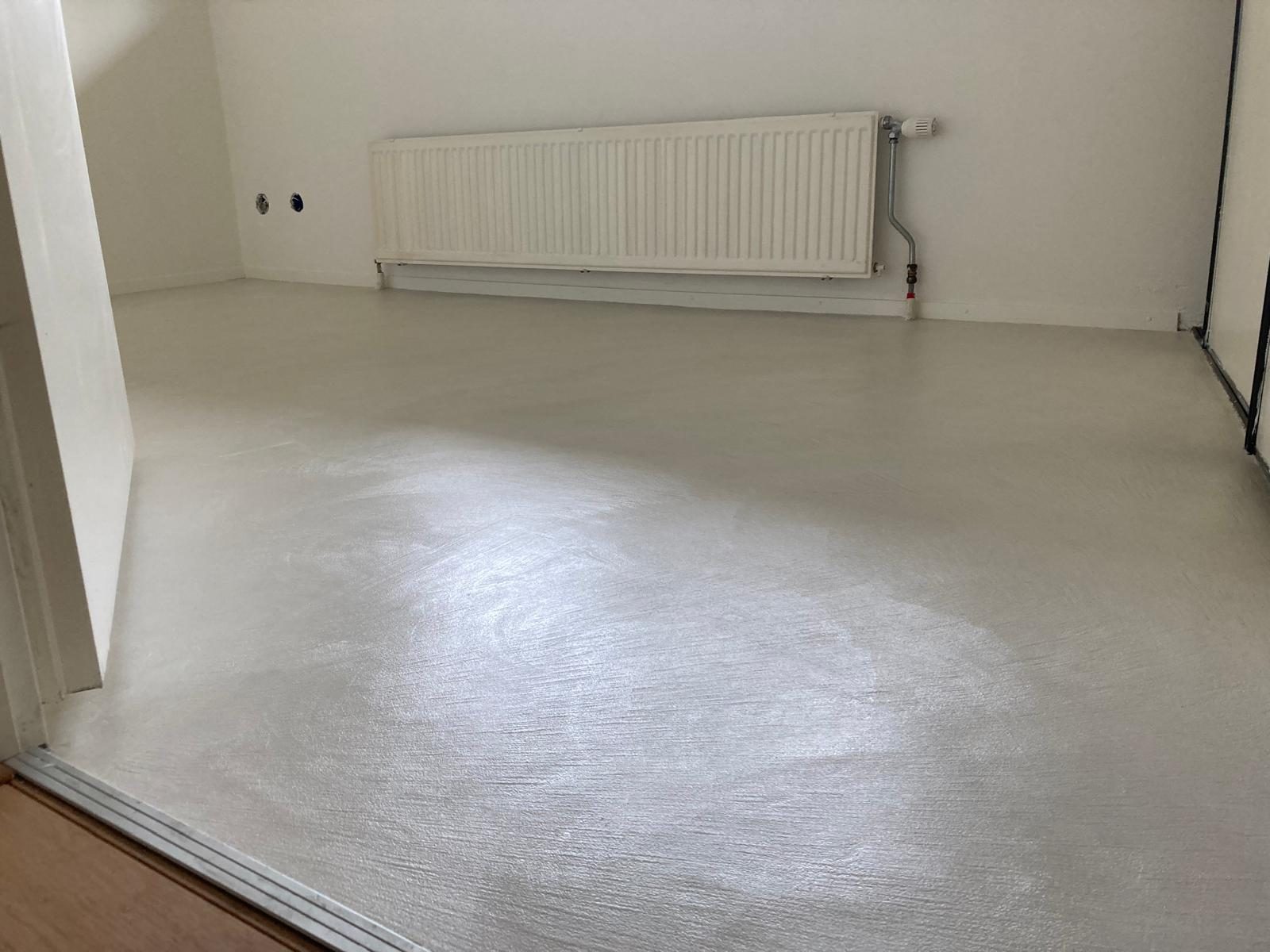
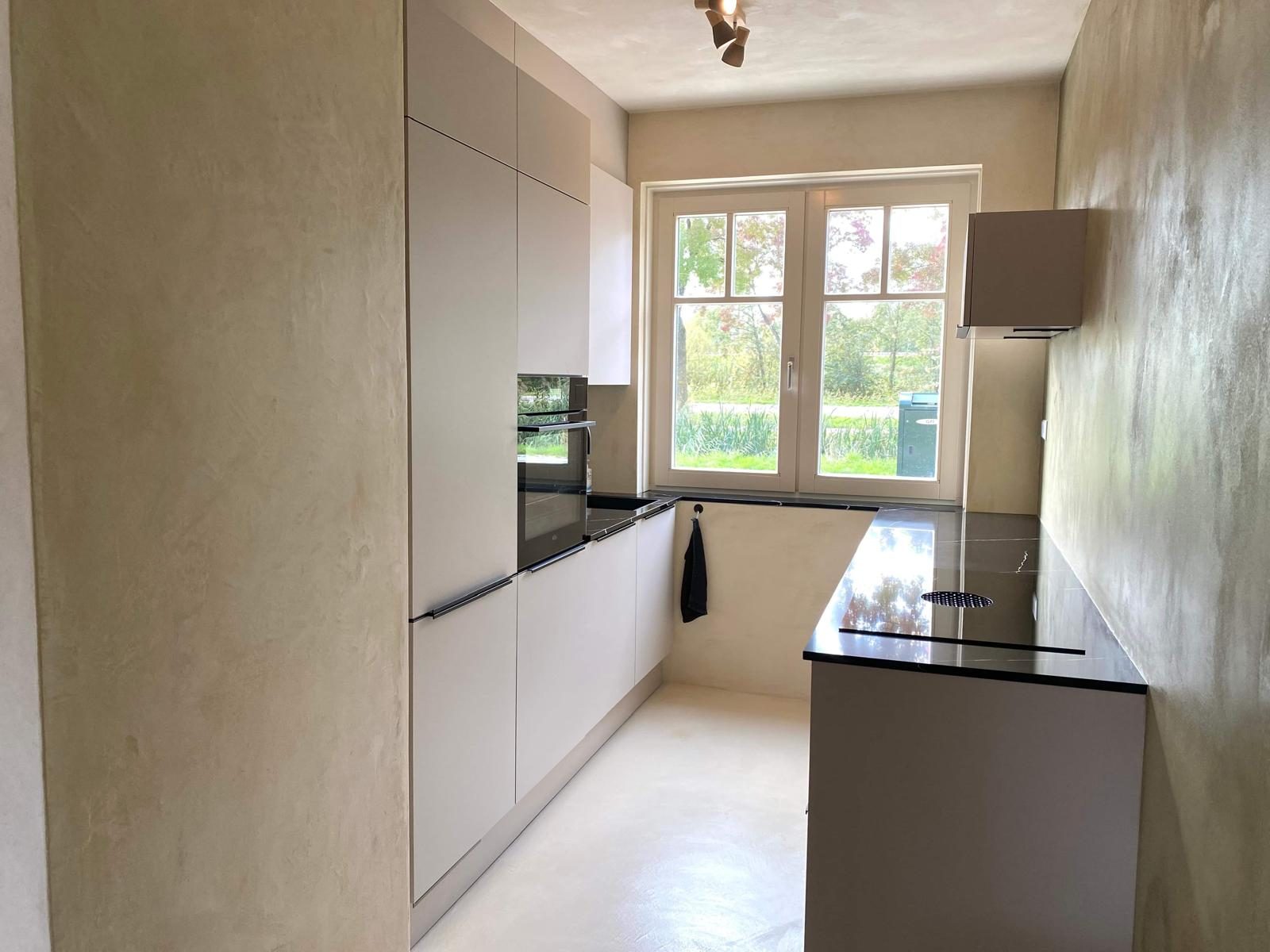
I have worked in microcement and decorative plasterwork for more than two decades — in the Netherlands, in Belgium, and internationally.
My passion for the craft began early. At the age of 13, I started working full time with my uncle at D. de Graaf in Bussum — because I love to work hard and make useful things. Their family construction company has carried a highly regarded name in Bussum and the surrounding area for four generations. From the very foundations to the finishing coats — I was there for every stage. It was during those years that I found myself drawn deeper and deeper into plastering, and in particular decorative plasterwork.
I went on to train with two other well-established, multi-generation firms in Het Gooi: Spakman and Luschen — the latter affiliated with the Stucgilde. I received further international training in Italy and Belgium — directly through manufacturers and the foremost master craftsmen in the trade. I was among the first certified, professionally Italy-trained Microtopping applicators in the Netherlands.
Throughout my career I have completed projects for private homeowners and local contractors in Laren, Loosdrecht, Hilversum and Amsterdam, as well as larger commercial assignments. I have also carried out work on behalf of Texture Painting — a Belgian specialist firm — on projects including the Botanic Sanctuary in Antwerp and luxury residences in Knokke.
For larger projects I bring in trusted colleagues and specialists from my network — fellow craftsmen whose quality I know firsthand. That way I can take on more ambitious work without compromising on speed or precision.
That combination of hands-on experience, the best teachers in the trade, and a genuine passion for delivering the finest possible result gives me the confidence to say: contact us and let us explore what is possible for you.


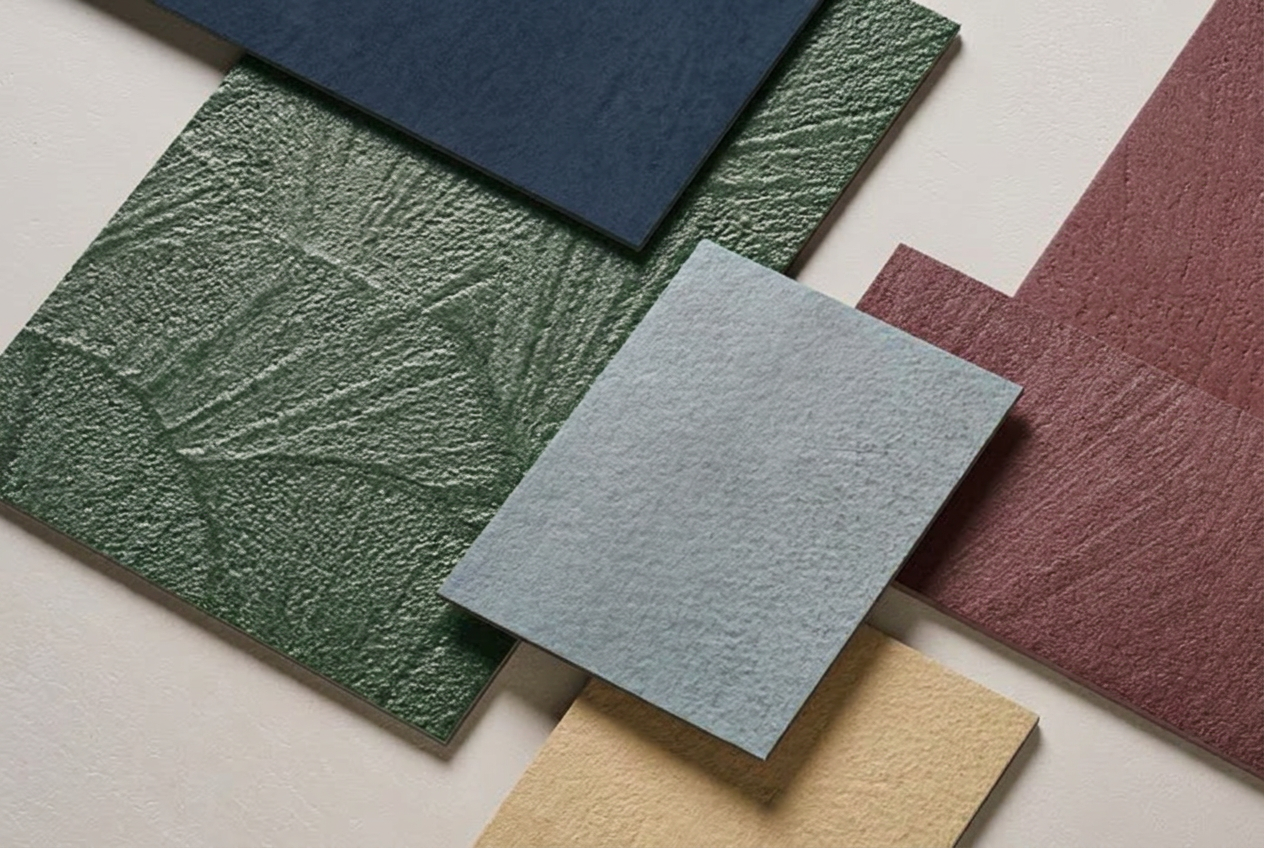
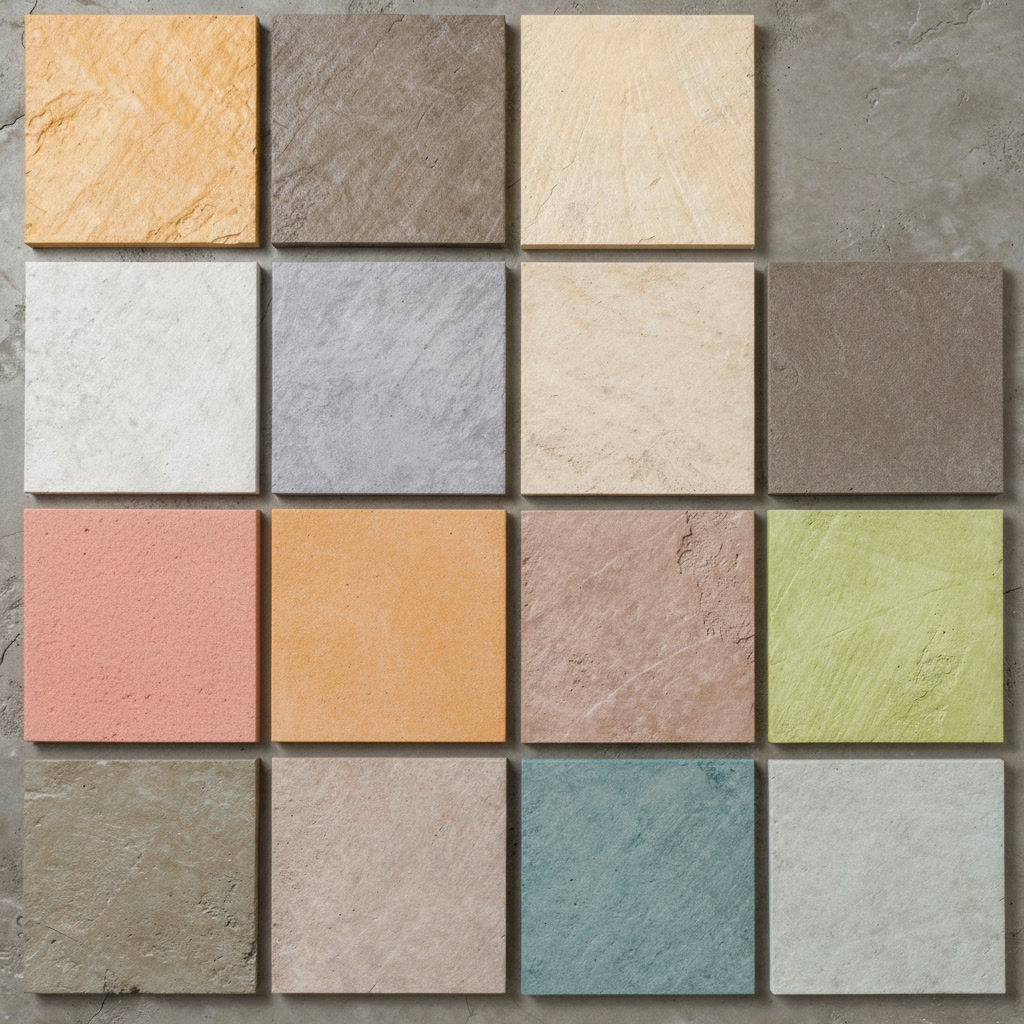
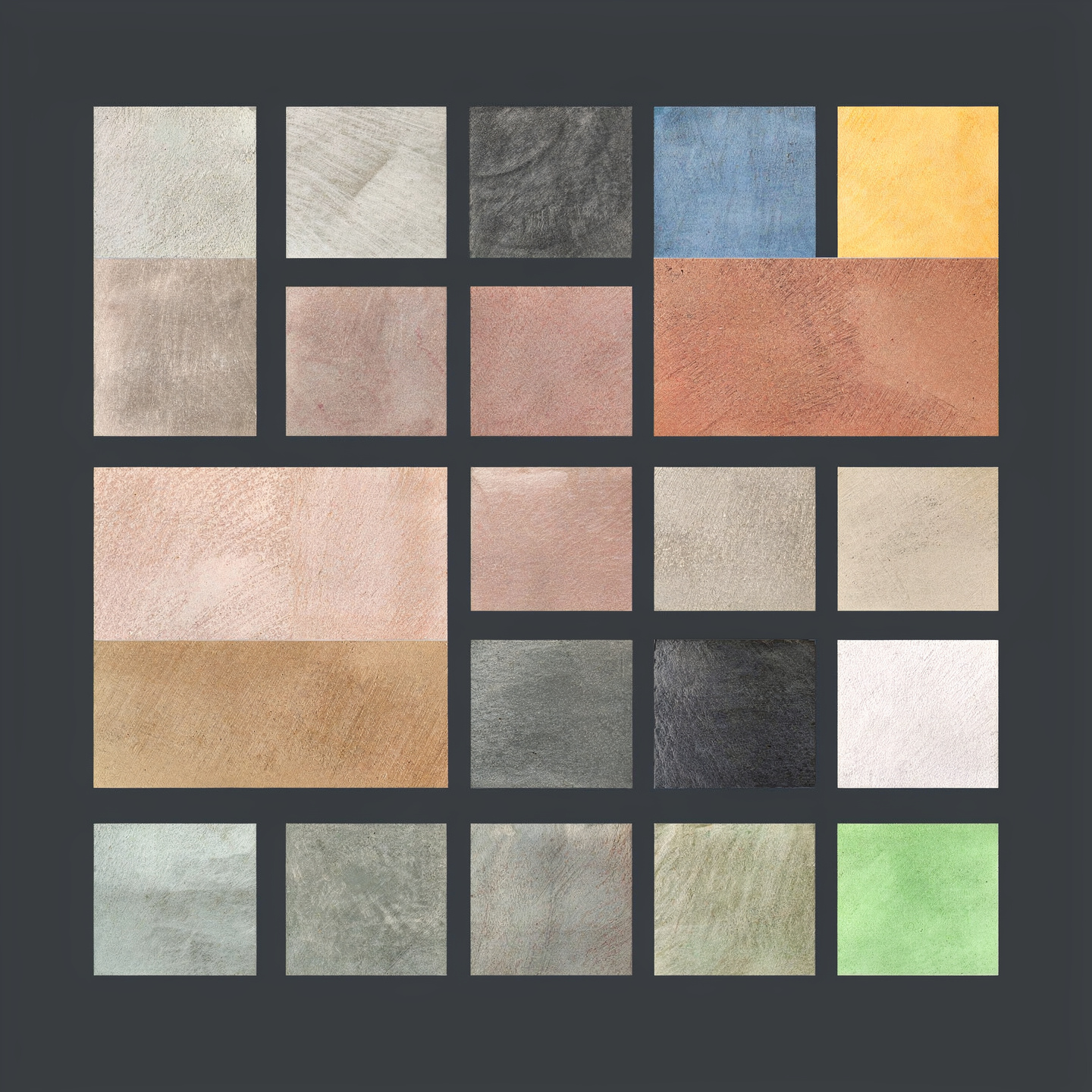
Every project starts with a personal colour consultation. These are just a few examples from our palette — the final shade is always chosen on site, in your own light.

Three quick questions. No forms, no obligations. We'll get back to you via WhatsApp.
Which space(s) are we working with?
Which surface would you like treated?
What stage is your project at?
Add photos (optional)
Drag or click to add photos of your space
Opens WhatsApp with your selections filled in. You can still edit the message before sending.
Application, maintenance, technical details and practical planning — all in one place.
Application
Microcement is a functional plaster composed of cement and polymers. It should always be applied on a dry, flat and stable surface. When installing on floors, a total finishing layer of approximately 4 millimetres should be taken into account. The various layers provide strength, and reinforcement is always included as a base.
Yes — microcement can be placed entirely without seams. It can be applied both vertically and horizontally, giving maximum visual continuity across floors, walls and even ceilings in the same space. This is one of its most valued qualities in modern interiors.
Microcement is ideal for both new floors and the renovation of existing surfaces. A key advantage is that it can be applied directly over old tiles, ceramic and concrete floors — without removing them first. The surface must be dry, flat and stable with no loose parts. When installing over existing floors, a pass layer plus approximately 4 millimetres should be taken into account.
A microcement floor can be installed over underfloor heating without any problem. The material absorbs heat quickly and distributes it well. Even without underfloor heating, a microcement floor feels comfortable underfoot because it quickly takes on the ambient temperature.
Important: in a new-build home, the underfloor heating must have run at least one full cycle — fully warmed up and fully cooled — before installation. When microcement is applied, the underfloor heating must be completely off so the drying process can proceed naturally.
Yes, microcement can be applied to staircases — both treads and risers — creating a beautifully continuous finish that flows naturally from floors and walls. The substrate must be stable and rigid. We use a reinforcing mesh and appropriate sealant to ensure durability under foot traffic. An anti-slip finish can be incorporated if required.
Standard microcement is not suitable for outdoor finishes. For outdoor applications — such as terraces — a different product is used that is specifically designed for exterior conditions, including drainage requirements and exposure to frost and UV. Unlike indoor microcement, outdoor applications require expansion joints at regular intervals.
If you are considering an outdoor project, we are happy to advise on the right approach.
Maintenance
Maintenance is straightforward. For daily cleaning, a damp cloth or a pH-neutral floor cleaner is sufficient. Always avoid acidic, granular or abrasive products — as these gradually damage the protective top layer.
For periodic deeper maintenance, we recommend using specialist products. Upon project completion we provide clear maintenance instructions along with recommended products, so you always know exactly how to care for your surfaces.
Microcement is highly suited to wet areas. After application, a waterproof sealer is applied to protect the surface against moisture, mould, and daily use. With proper care, a microcement bathroom will last for decades.
Microcement handles heat well and can be applied to kitchen countertops and fireplace surrounds without issue. That said, it is not advisable to place boiling objects directly on the surface — always use appropriate heat-resistant trivets.
On kitchen worktops, we also recommend using a cutting board rather than cutting directly on the surface. These simple habits keep your microcement looking its best for years.
Technical
Hairline cracks can occasionally appear in the top layer of microcement. This is a natural characteristic of the material and can occur due to the expansion and contraction of floors or walls, or movement of the substrate. It does not affect the quality or water resistance of the finished surface.
At Family Walls we always reinforce the base layer properly to minimise this risk, and we advise clients upfront on what to expect so there are no surprises.
Absolutely. Microcement is fully bespoke. We offer hundreds of colours and texture variants — from smooth and silky to raw and industrial. Each colour is mixed by hand using pigments and tailored entirely to your taste. The choice of colour has no effect on the price.
We always advise reviewing colour samples in your own space and light conditions before committing, as natural and artificial lighting can significantly change how a colour reads on the wall or floor.
Microcement is remarkably versatile and works well in a broad range of interior styles — from clean and minimal to warm and layered. Its handmade nature means no two surfaces are exactly alike, which gives it a depth and character that sets it apart from manufactured finishes.
It pairs naturally with wood, stone, concrete, metal and textiles, making it one of the most flexible surface materials available for residential and commercial interiors.
Practical
A typical bathroom or kitchen is completed in 5 working days to a week, including drying and finishing. Larger projects — full floors or commercial spaces — are scheduled in close consultation to keep disruption to a minimum.
After application, a drying time of at least one week should be respected before normal use. After this first week, it is best to avoid placing heavy furniture until after a full 10-day curing period. Temperature and humidity in the space affect the drying time, so we always discuss the specific conditions of your project beforehand.
Yes — microcement is widely used in bathrooms, shower areas and wet zones. It is water-resistant when correctly sealed and creates a beautiful seamless finish that is easy to keep clean. The screed and waterproofing work beneath is typically handled by a specialist contractor before we apply the microcement finish on top.
We are happy to coordinate with your other contractors to ensure the substrate is properly prepared before we begin.
Because microcement is applied in very thin layers (around 4 mm), it sits at a much lower height than most traditional floor finishes. This makes transitions to adjacent flooring materials straightforward in most cases. Where necessary, a subtle threshold or transition profile can be used. We always survey the space first and discuss level differences before starting work.
Yes. Family Walls works internationally across Europe and beyond. Get in touch to discuss the possibilities for your project.
Every project is different. If your question isn't listed here, reach out directly — we're happy to advise.